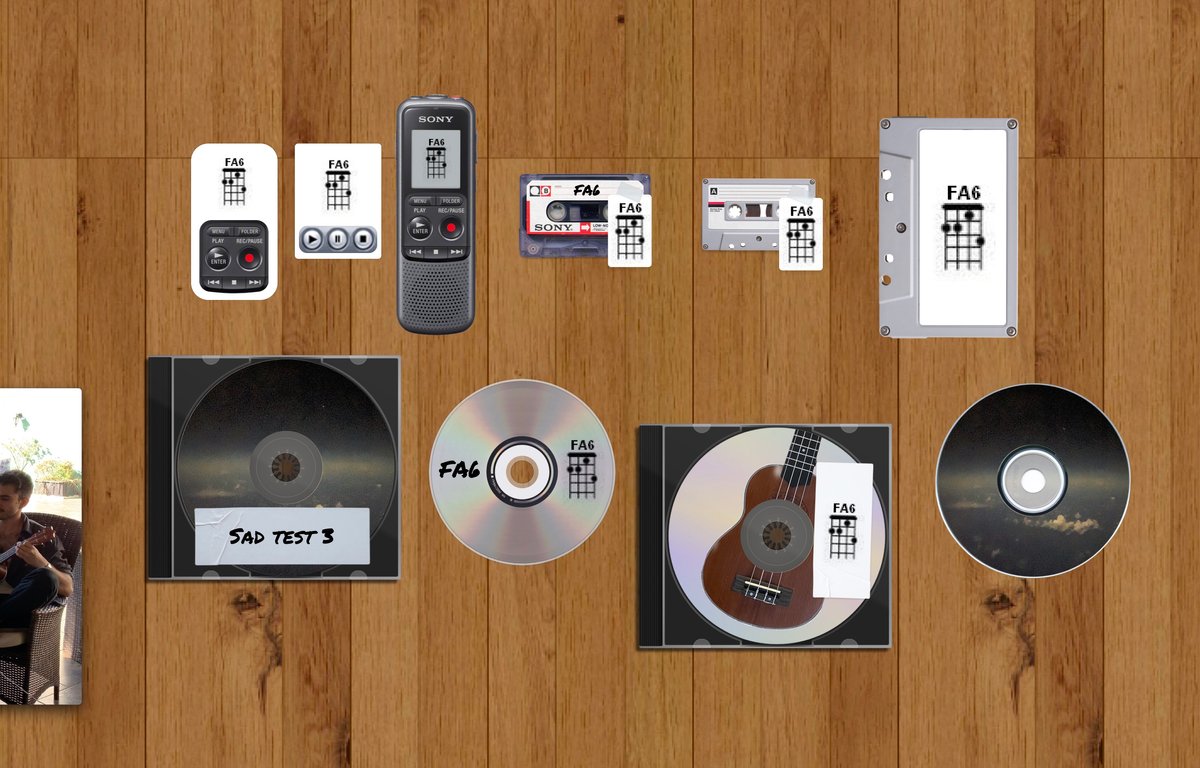
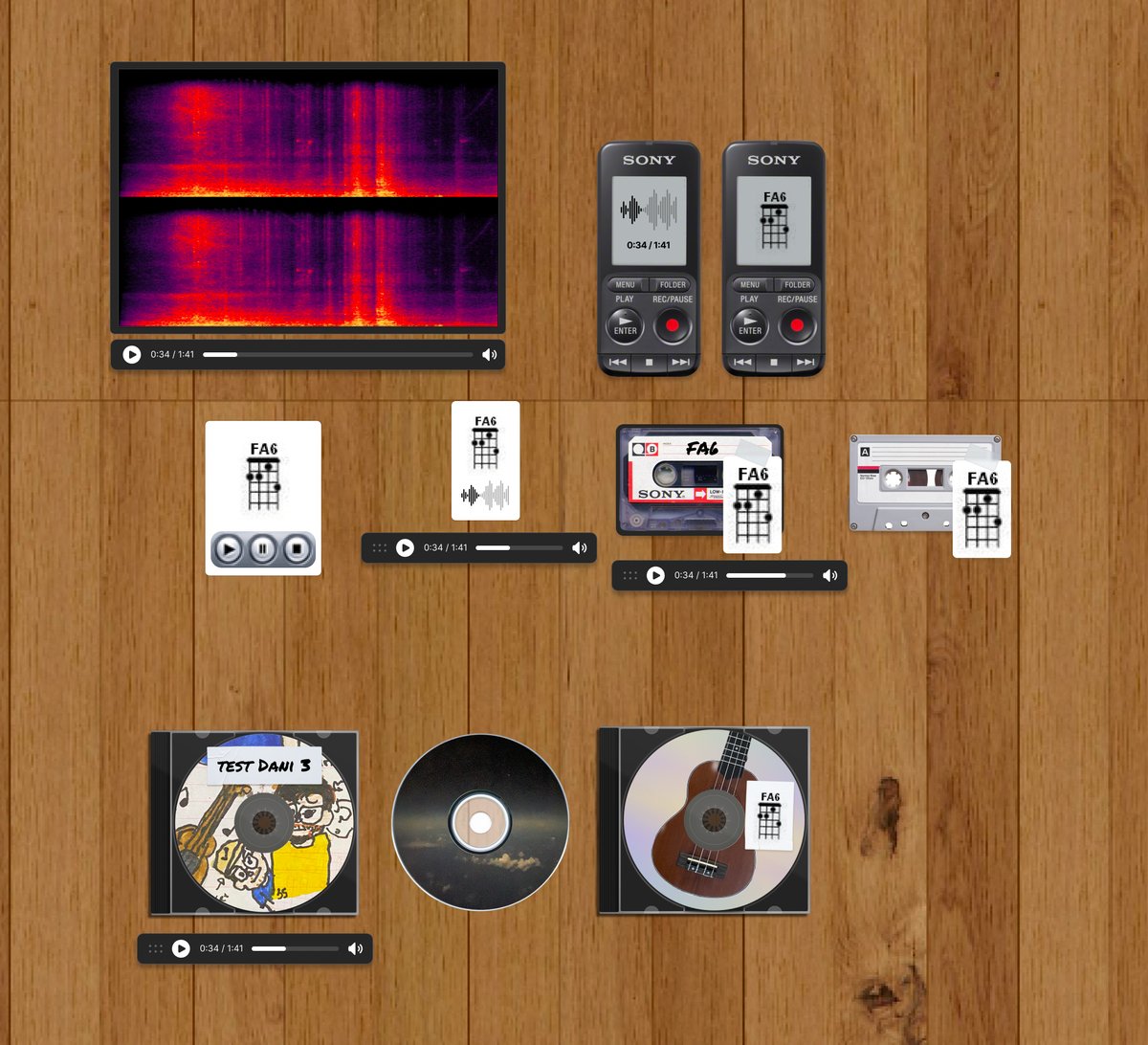
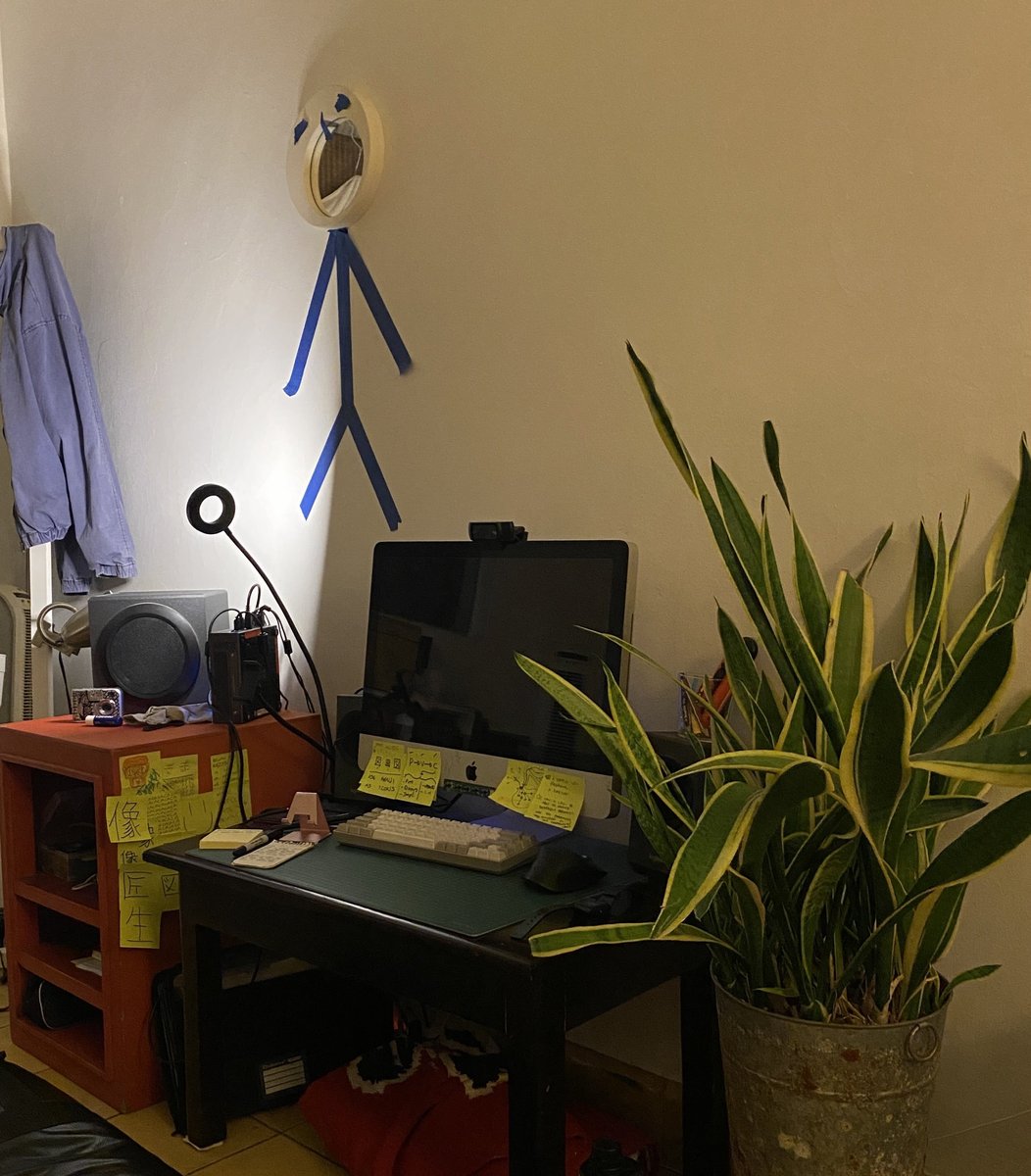
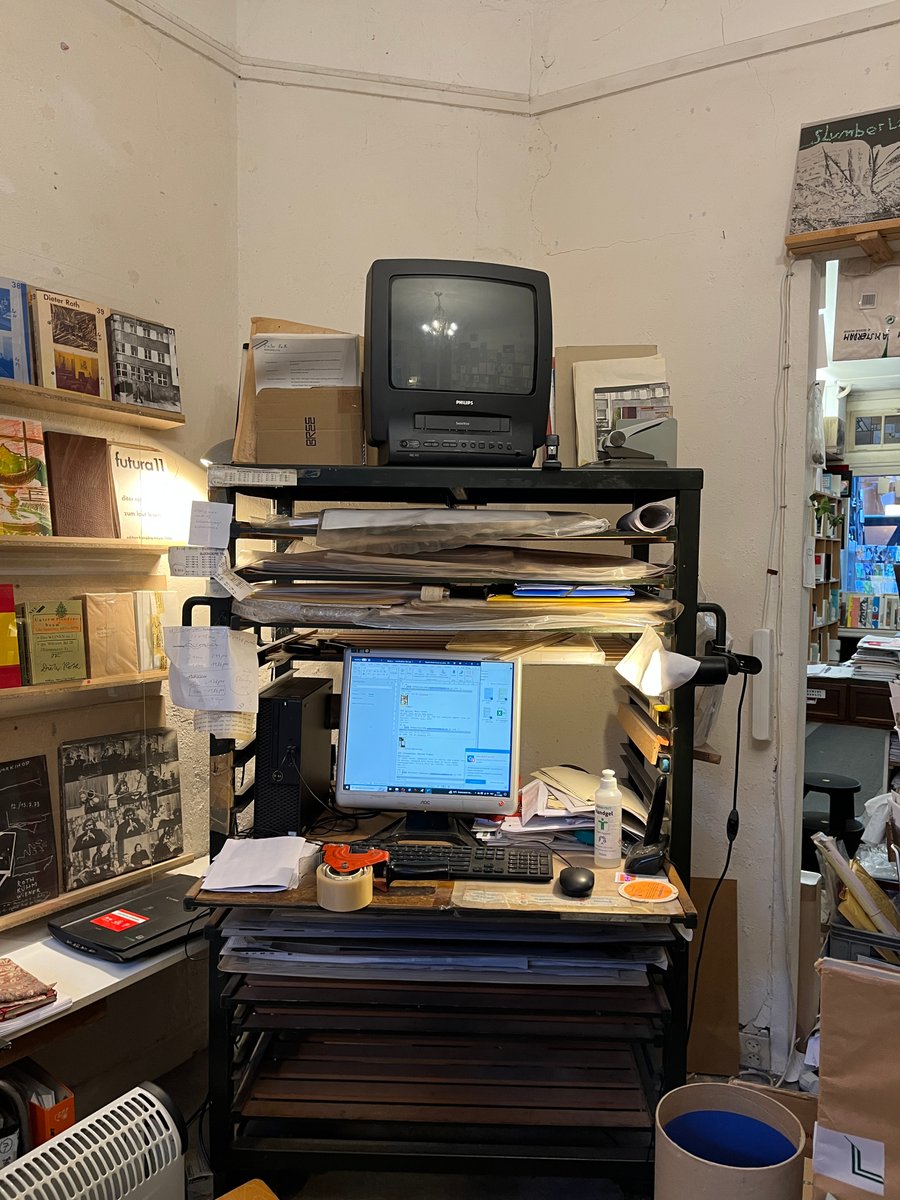
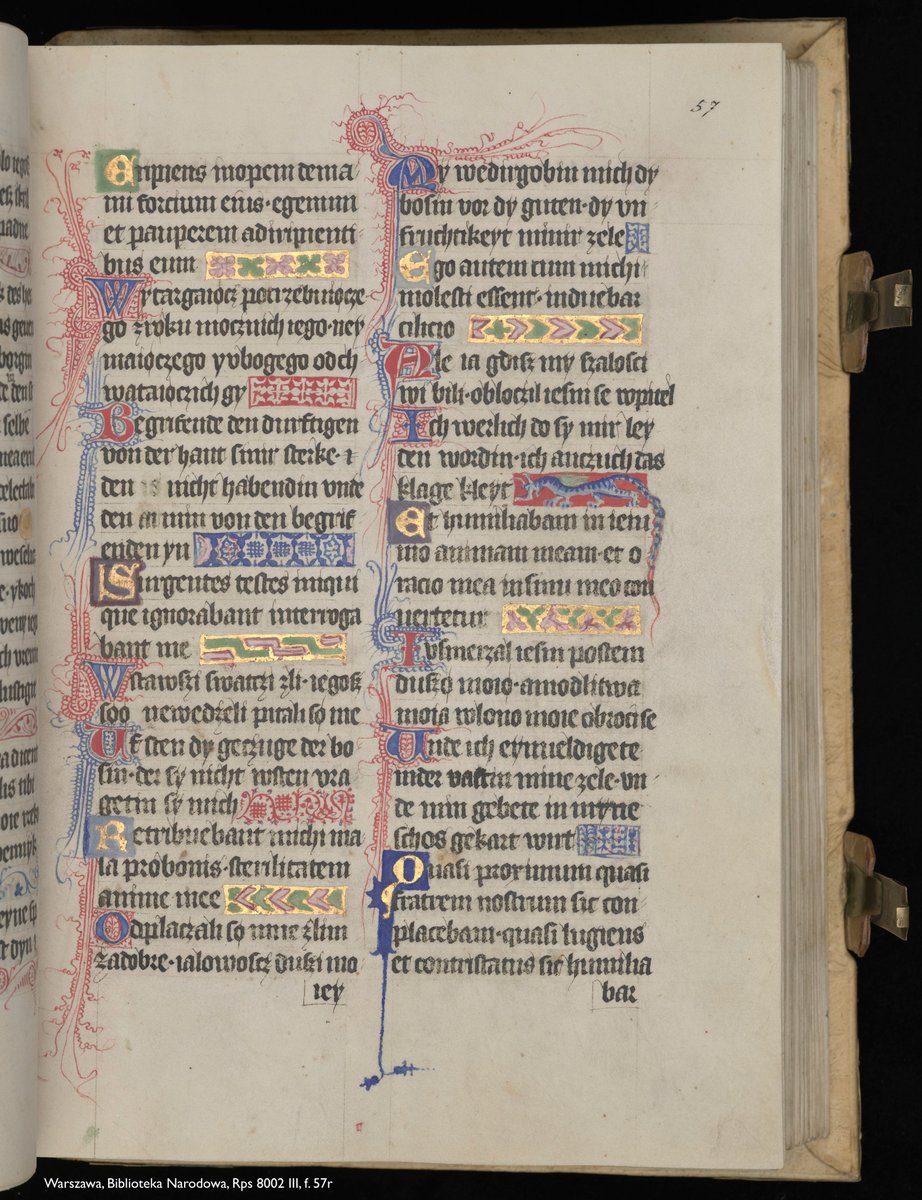
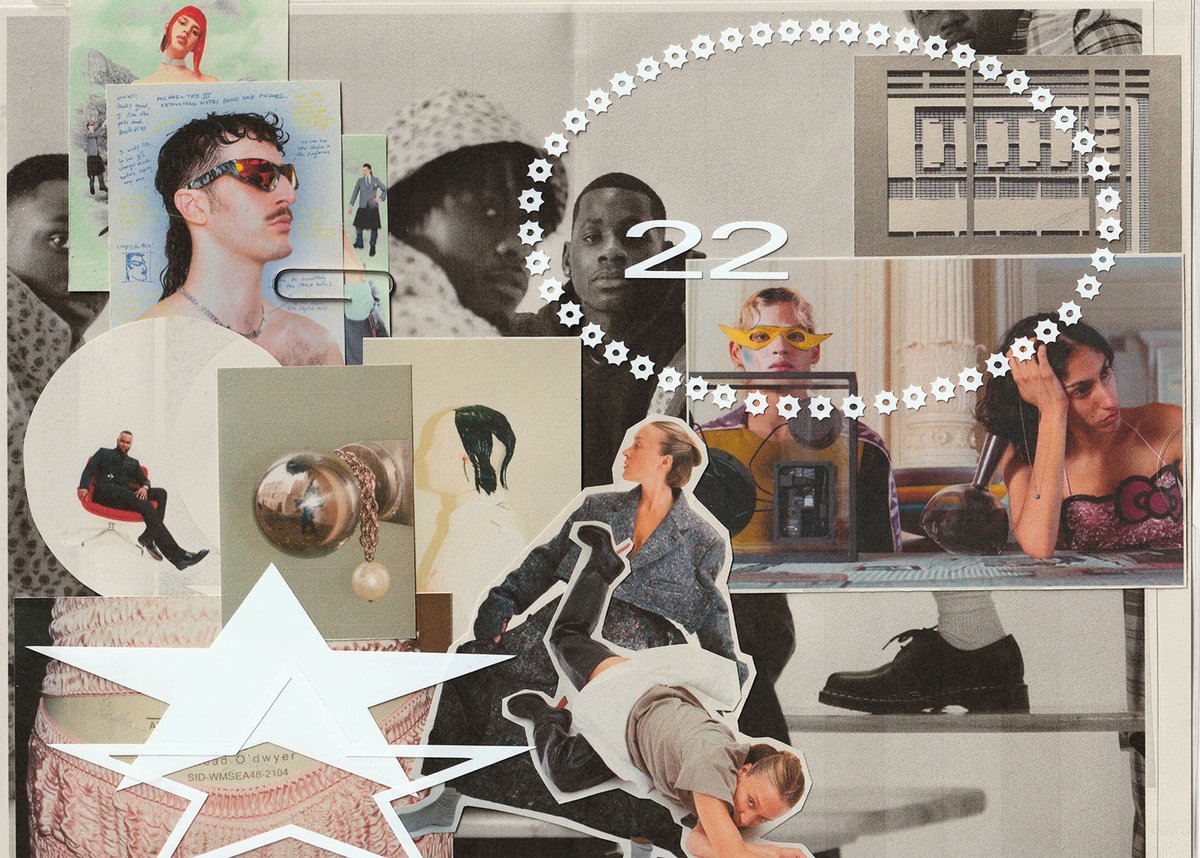
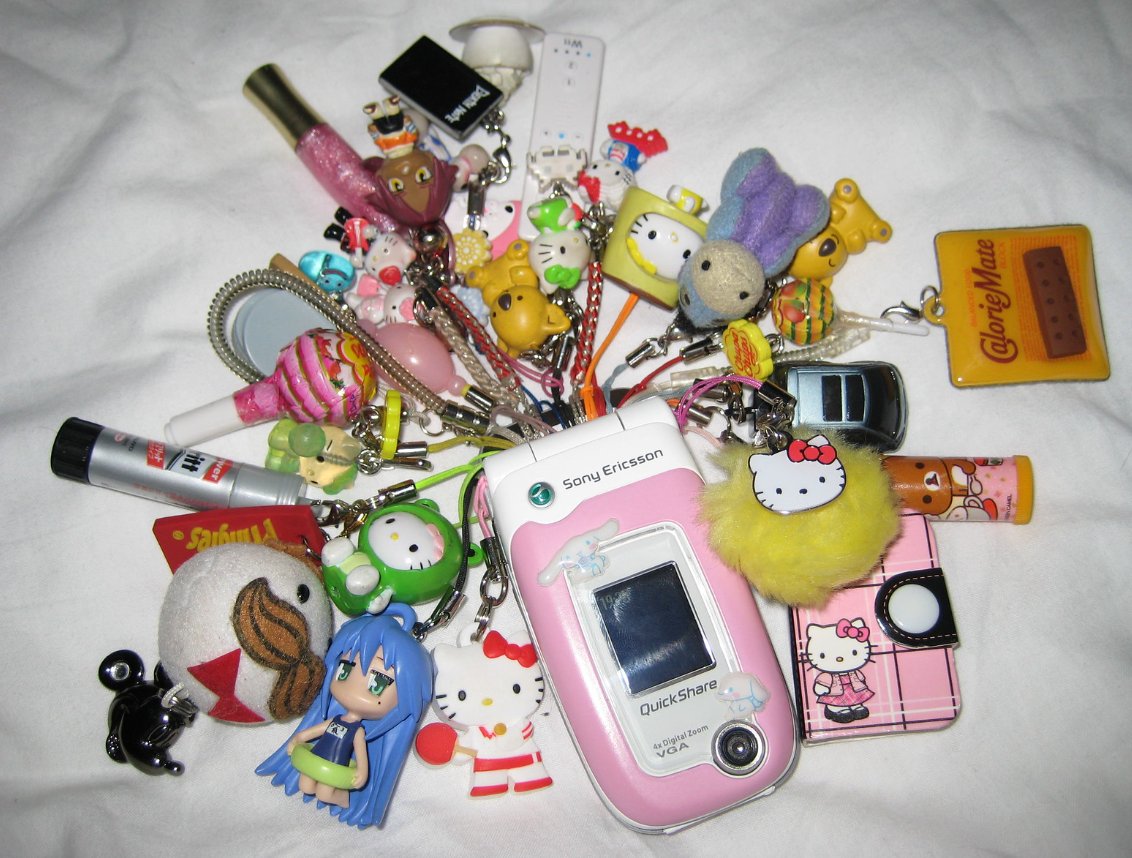
“document” as in to record; to provide information or support; an official paper or digital file; a piece of evidence, a form of proof.
What's the difference between a map, a pdf, an image, and a digital canvas/room?
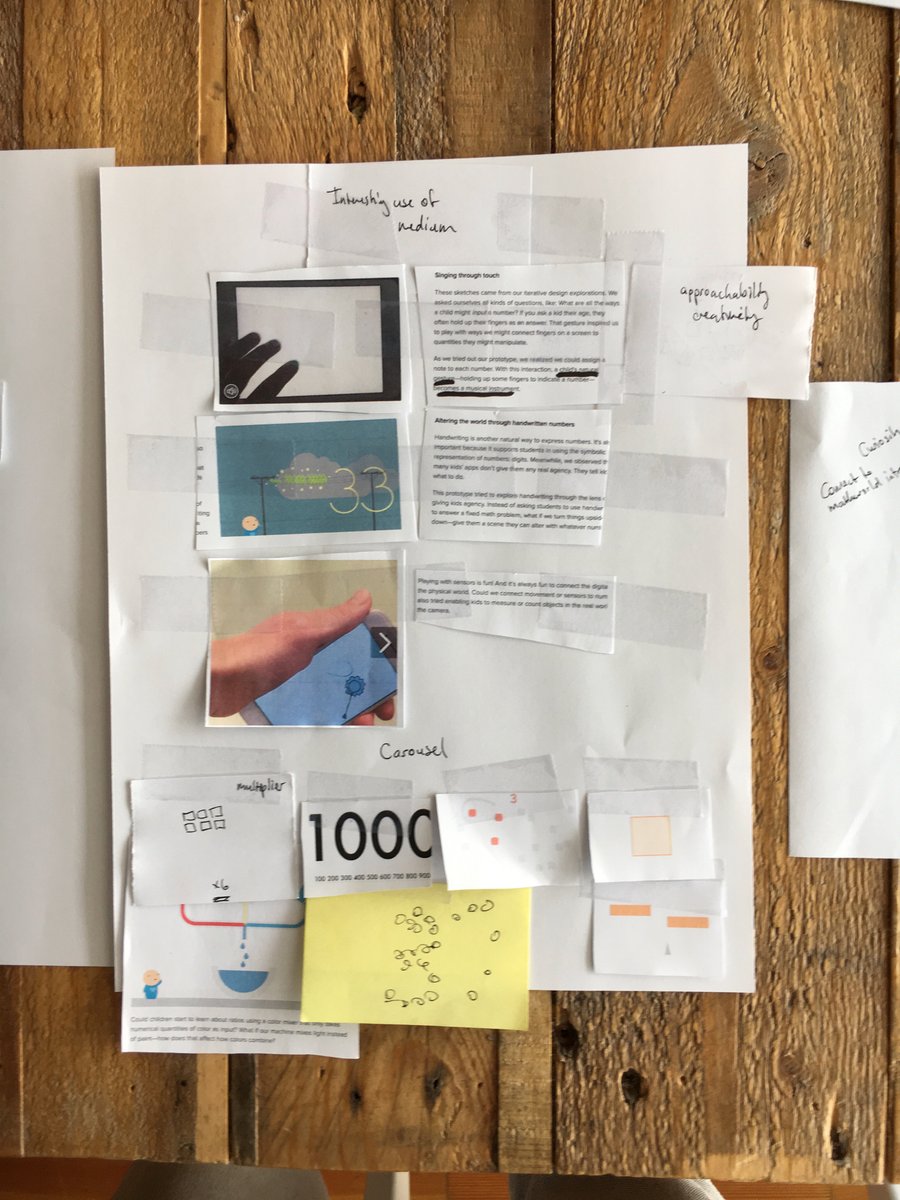
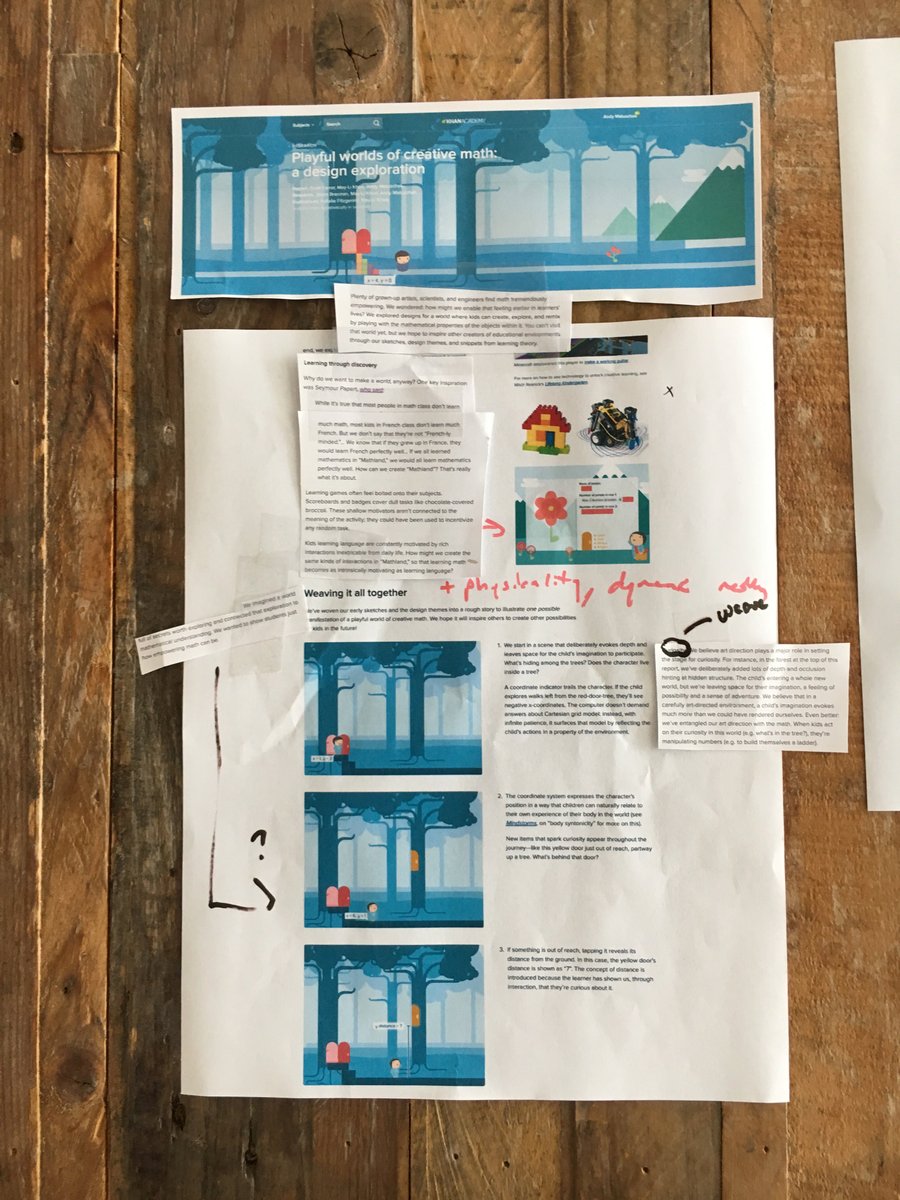
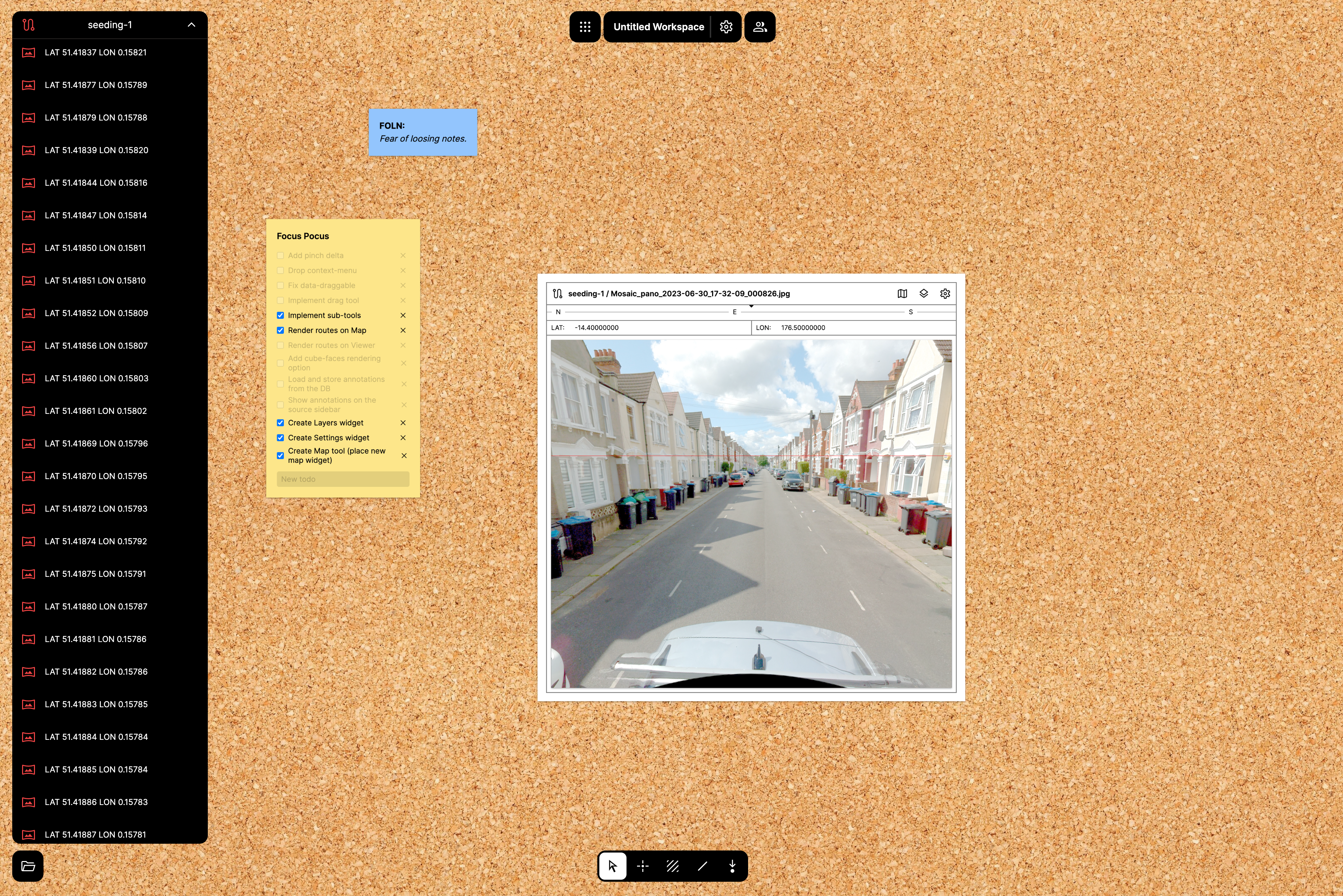
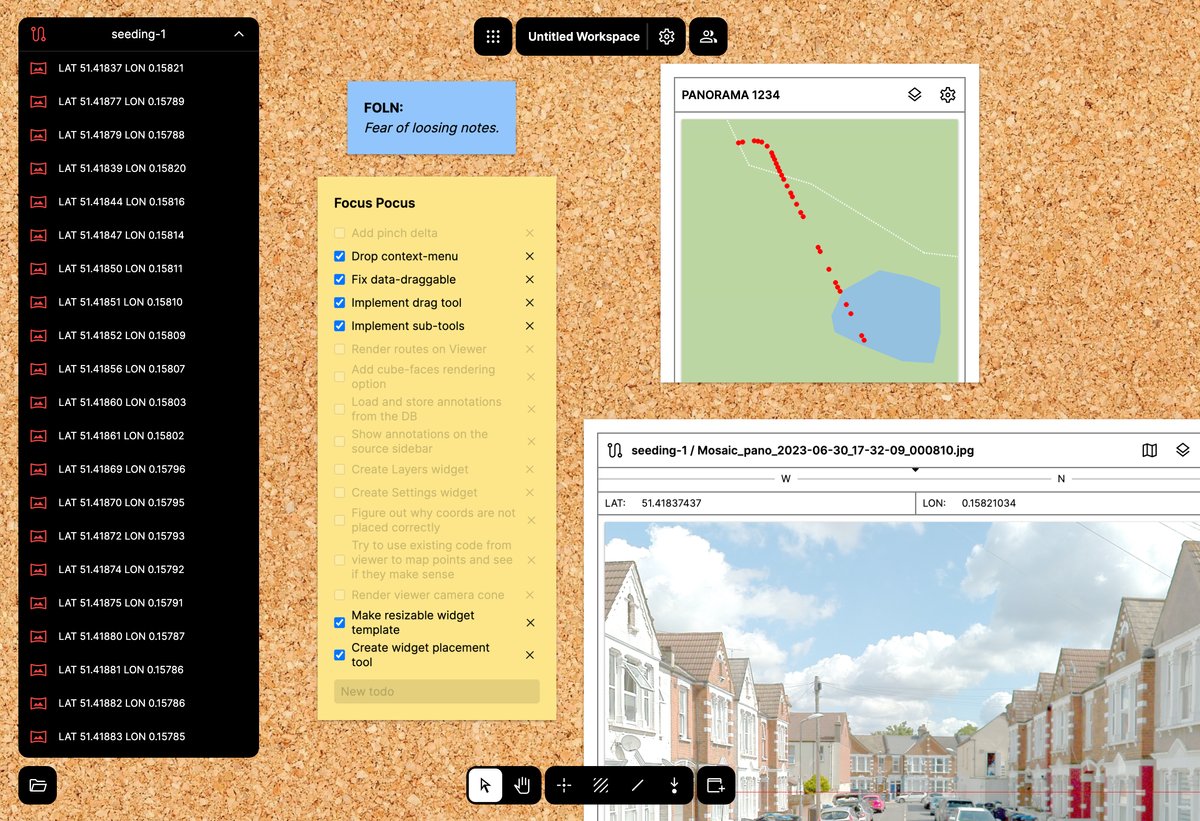
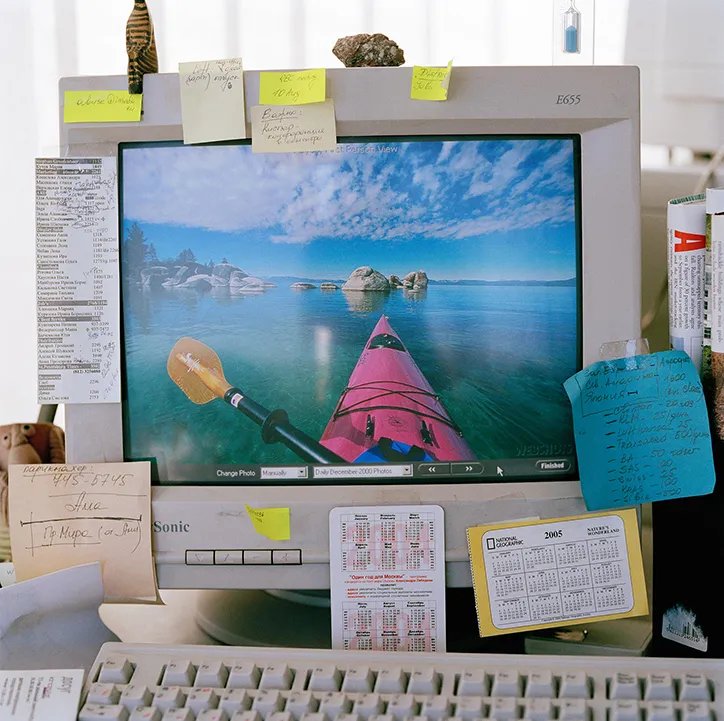
The difference between a spatial document vs an image, map, pdf or website is that the spatial document conveys a sense of space by separating its content into independent but related objects in 3D space.
Even though an image can show us a snapshot of 3D space (a screenshot of a canvas) the actual information that's being stored does not distinguish pixels.
I think a lot of times we care more about the content and its direct usage and meaning more than we do about the context in which it was created and intended to be consumed.
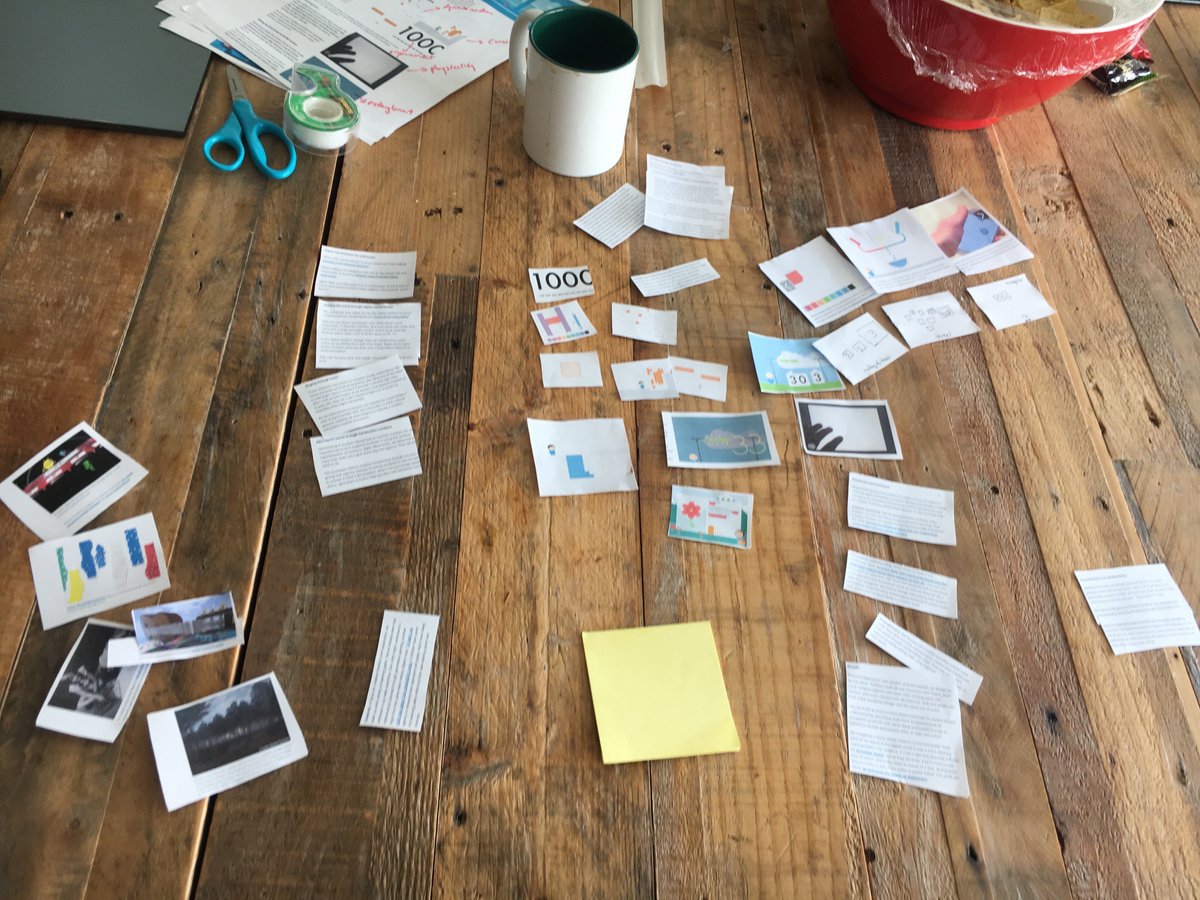
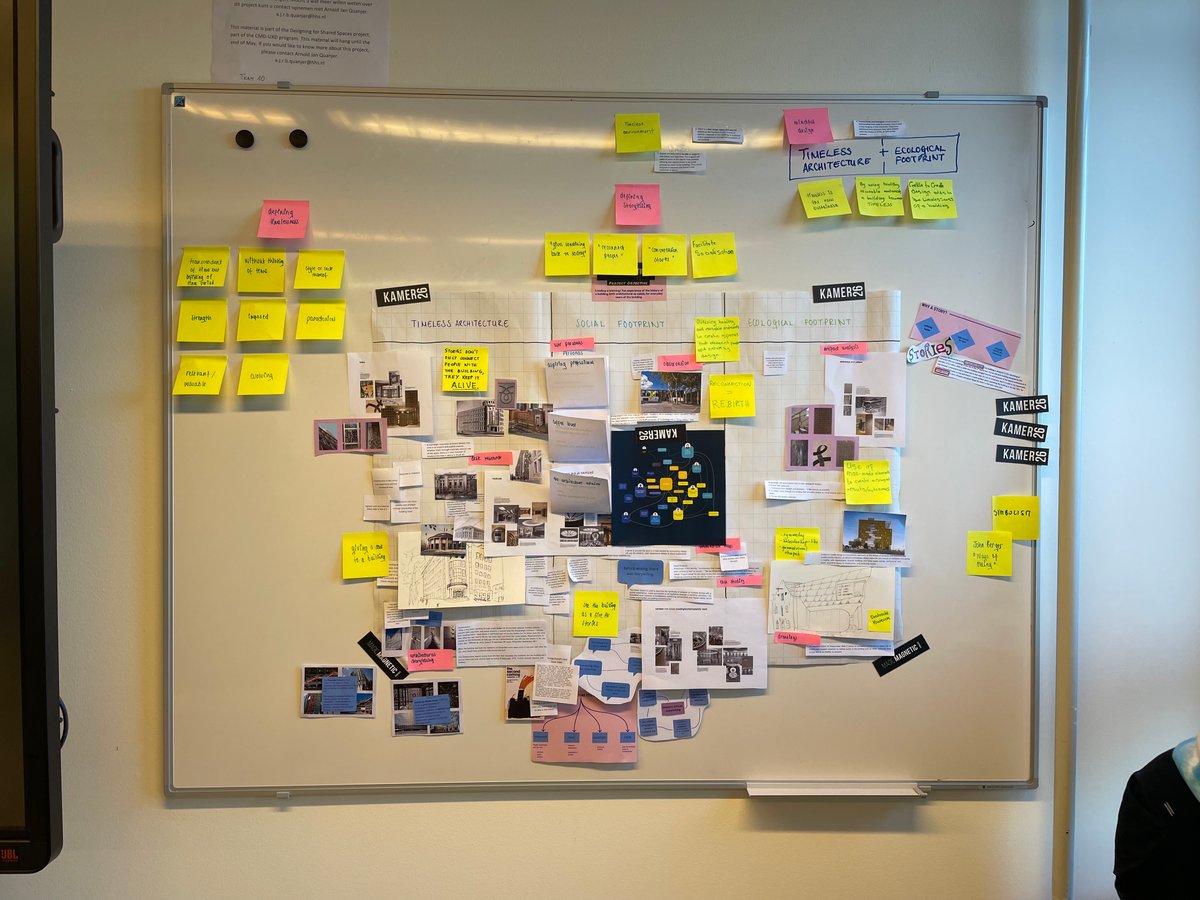
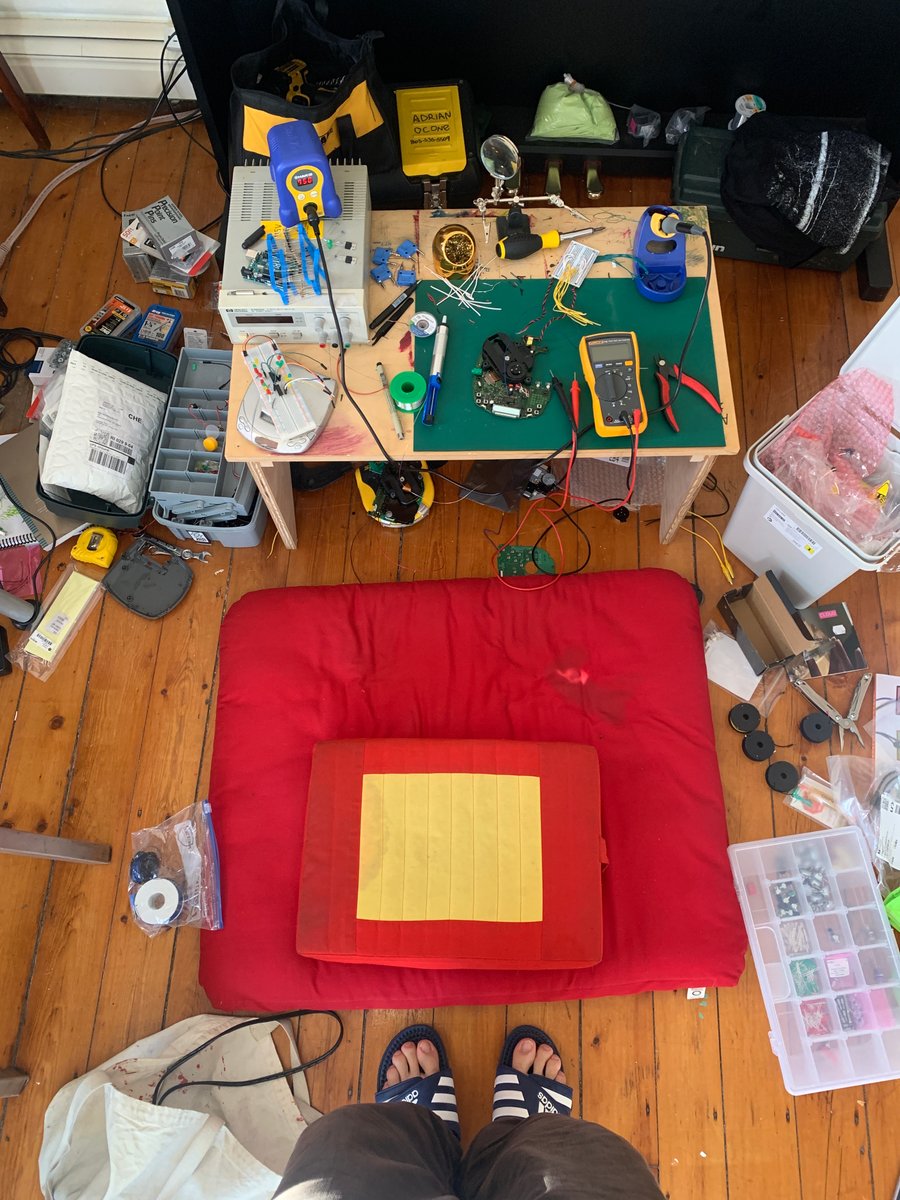
Tape, string and wood where my favorite toys when I was a kid.
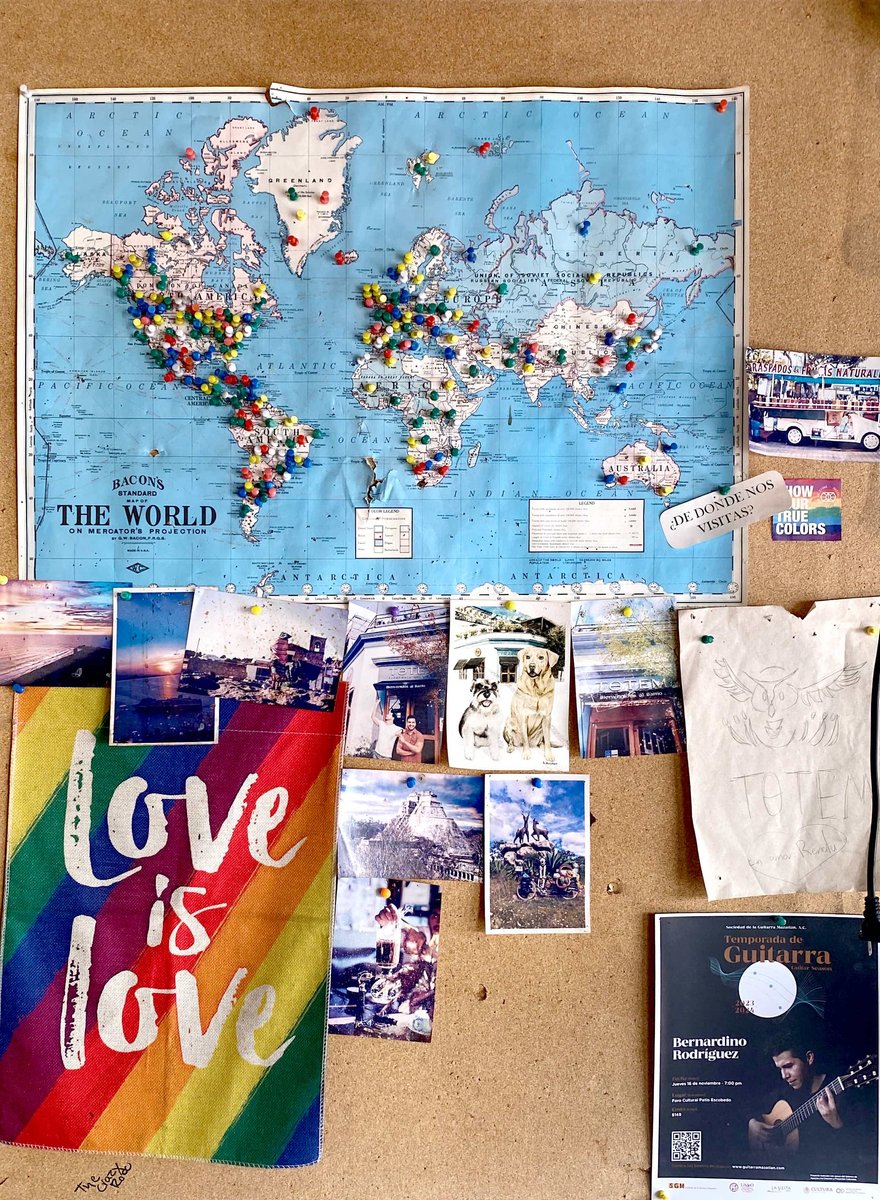
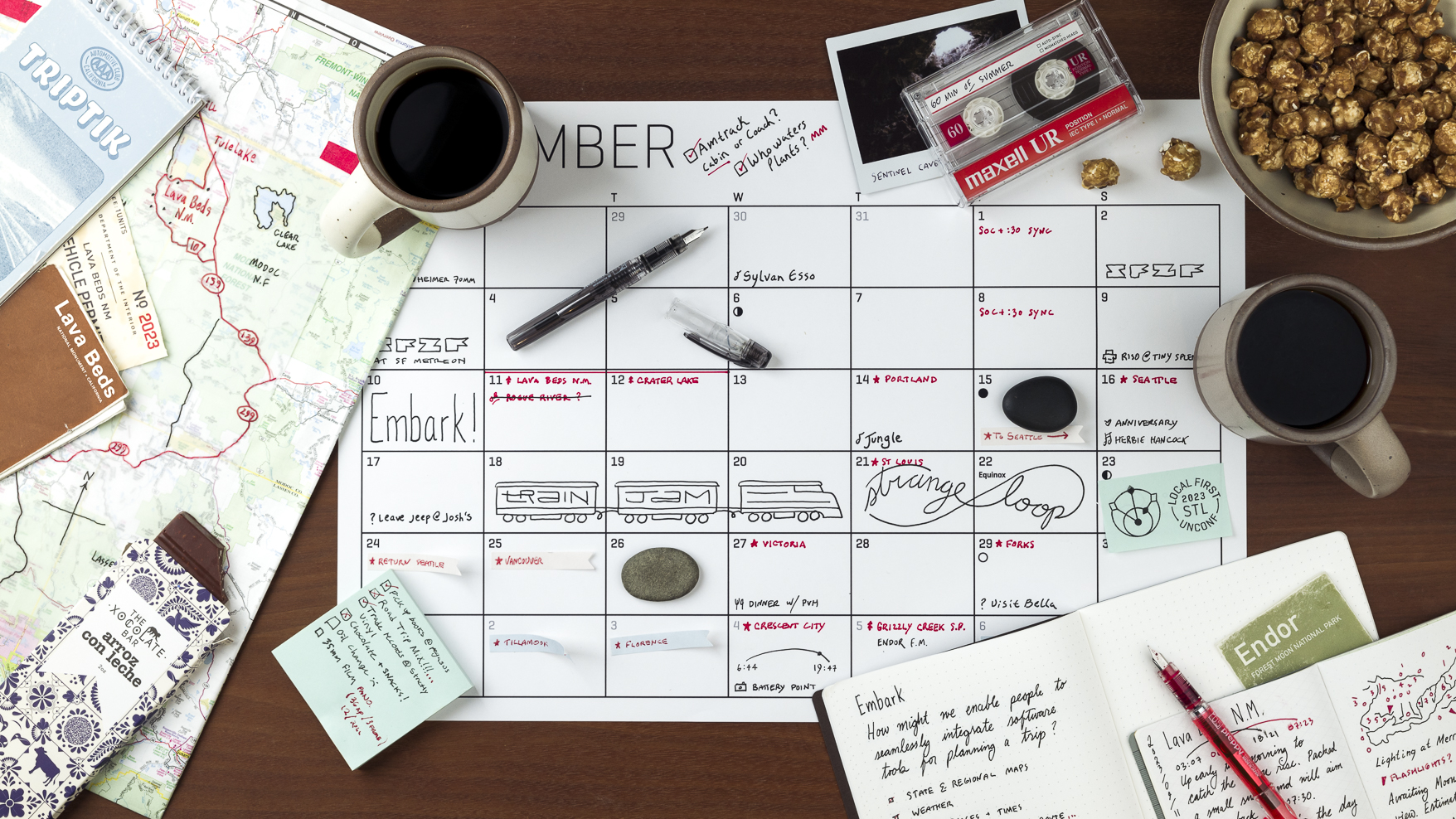
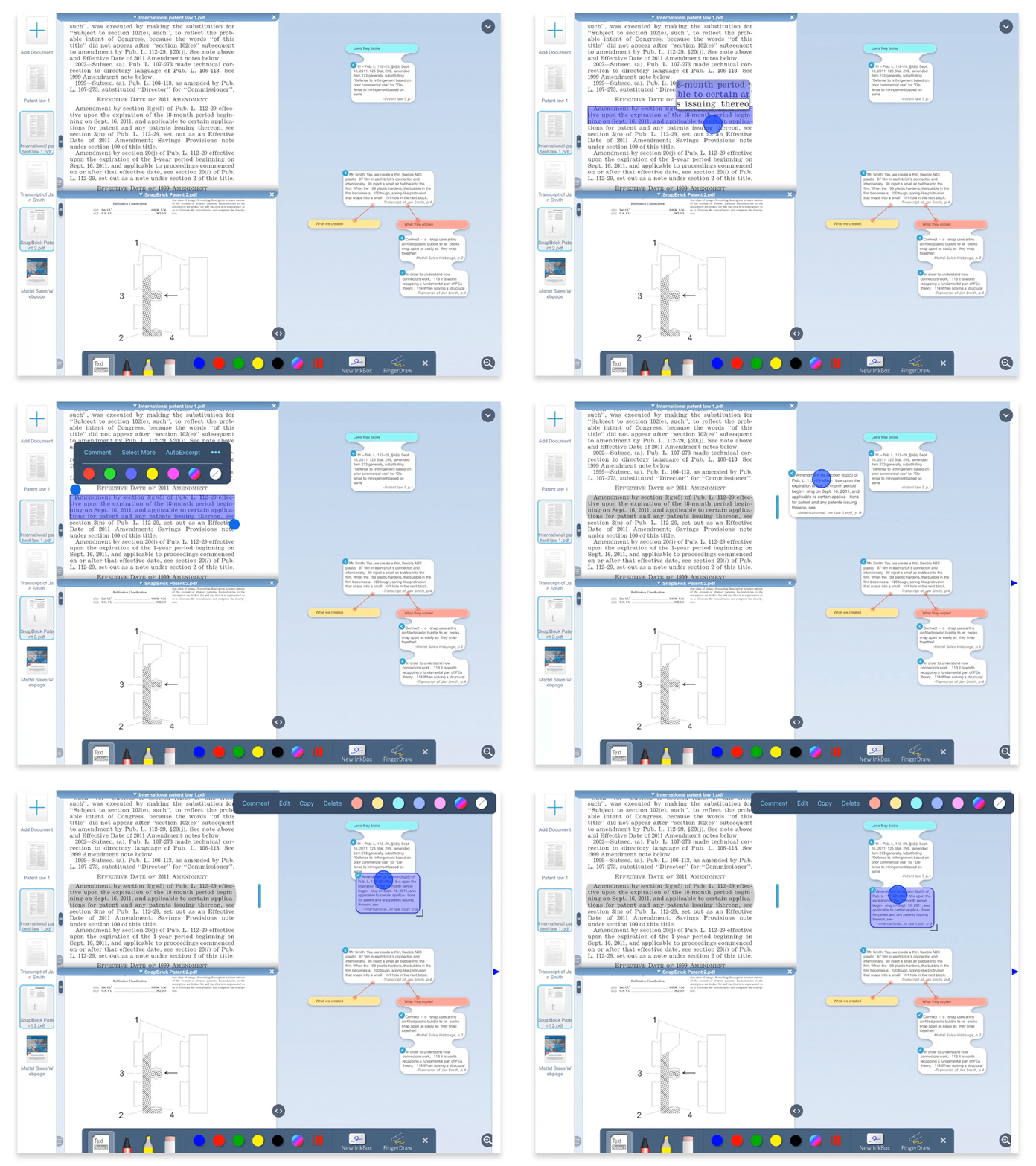
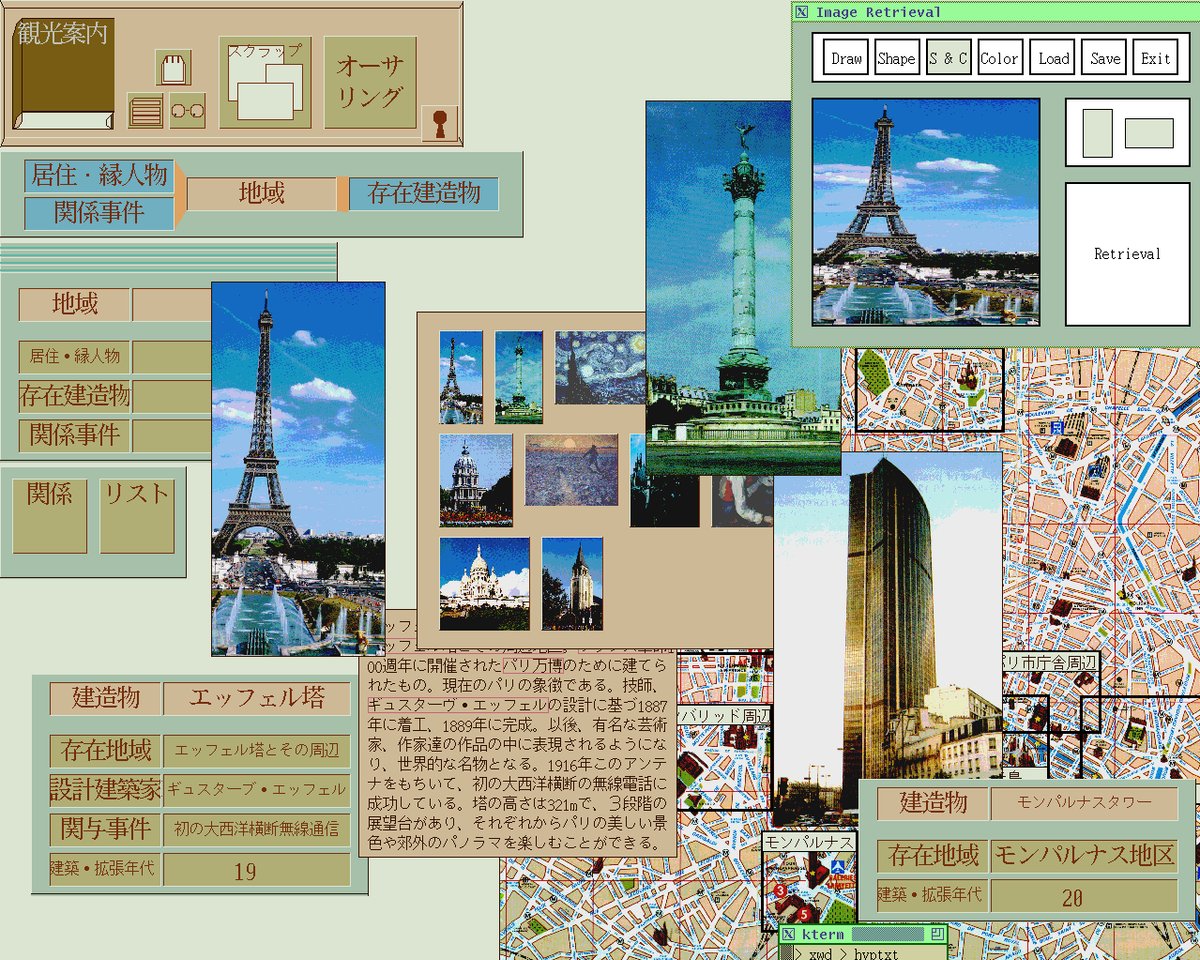
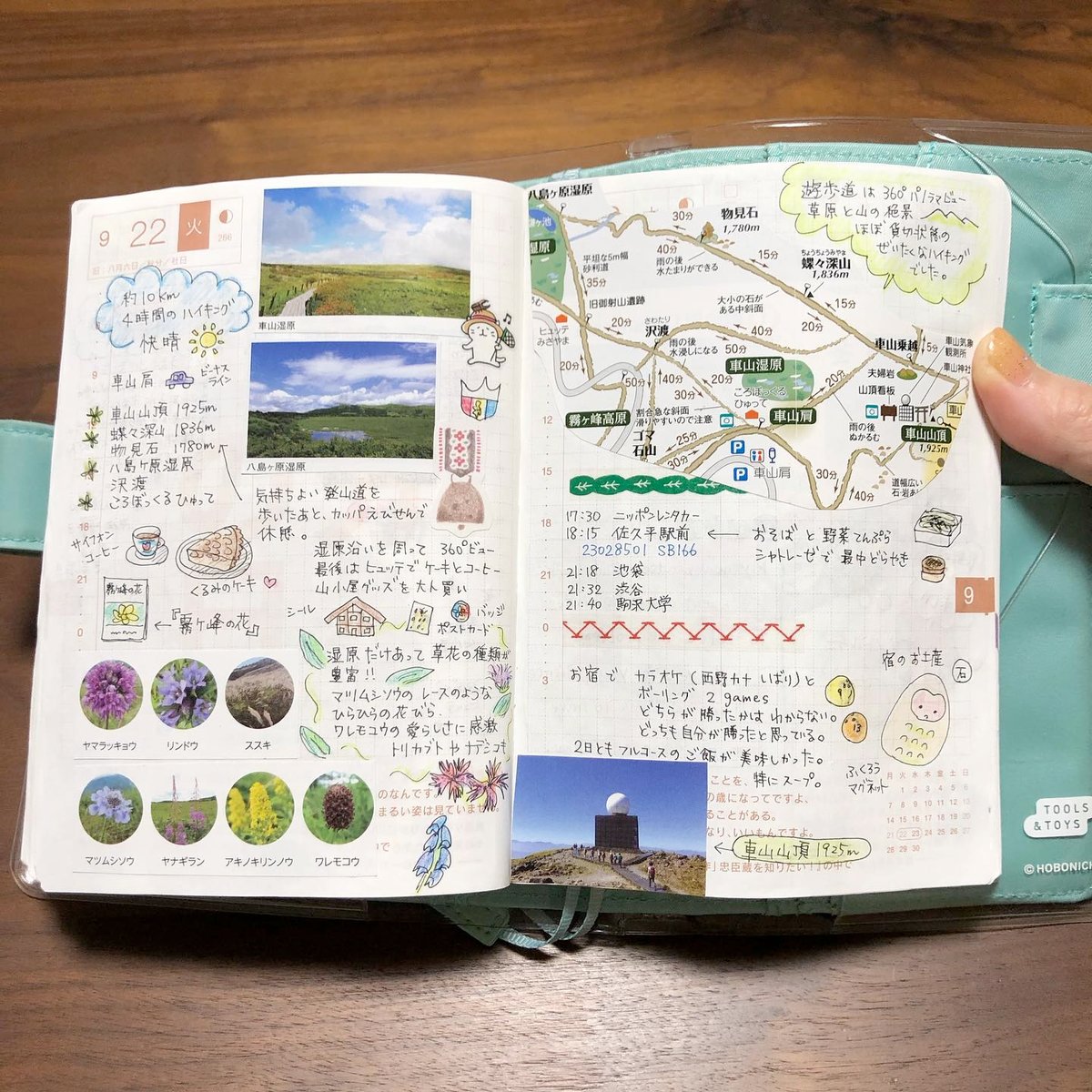
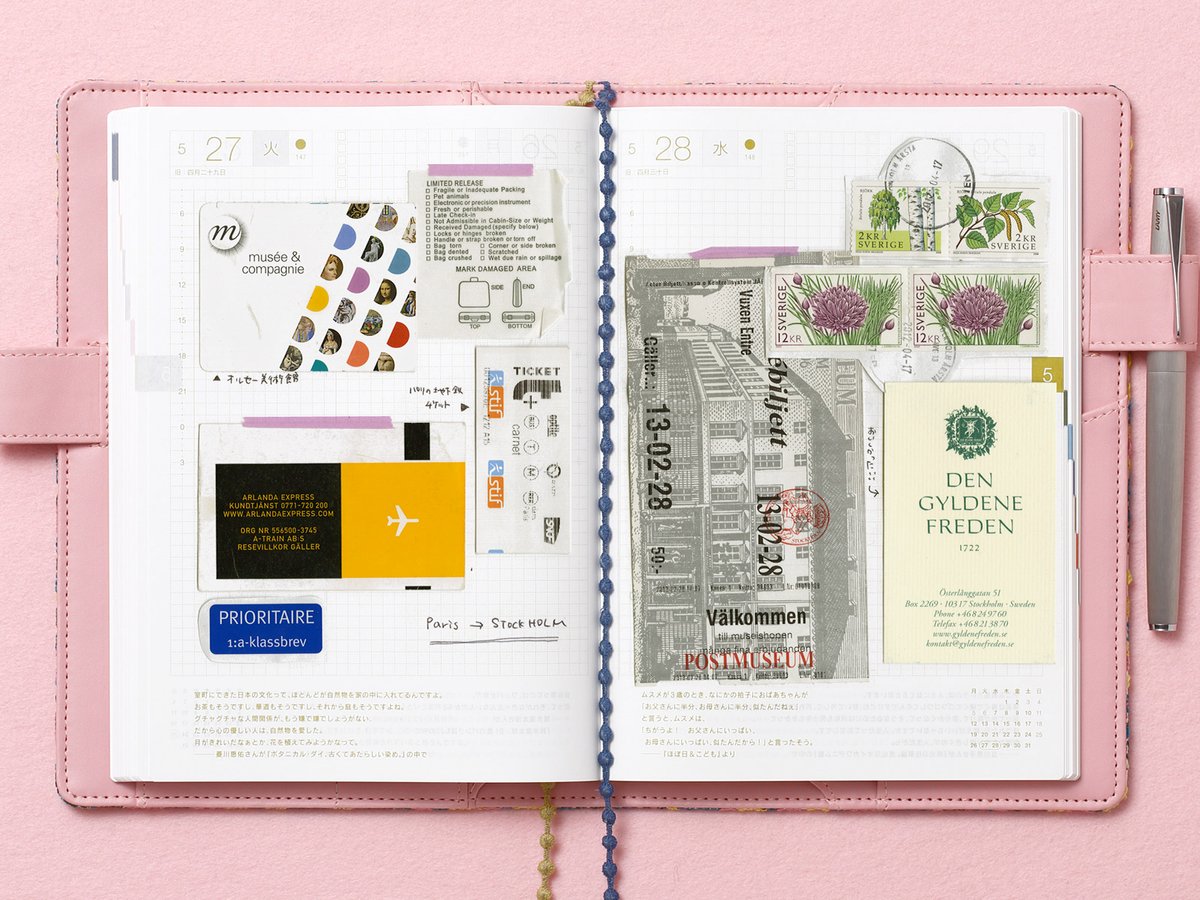
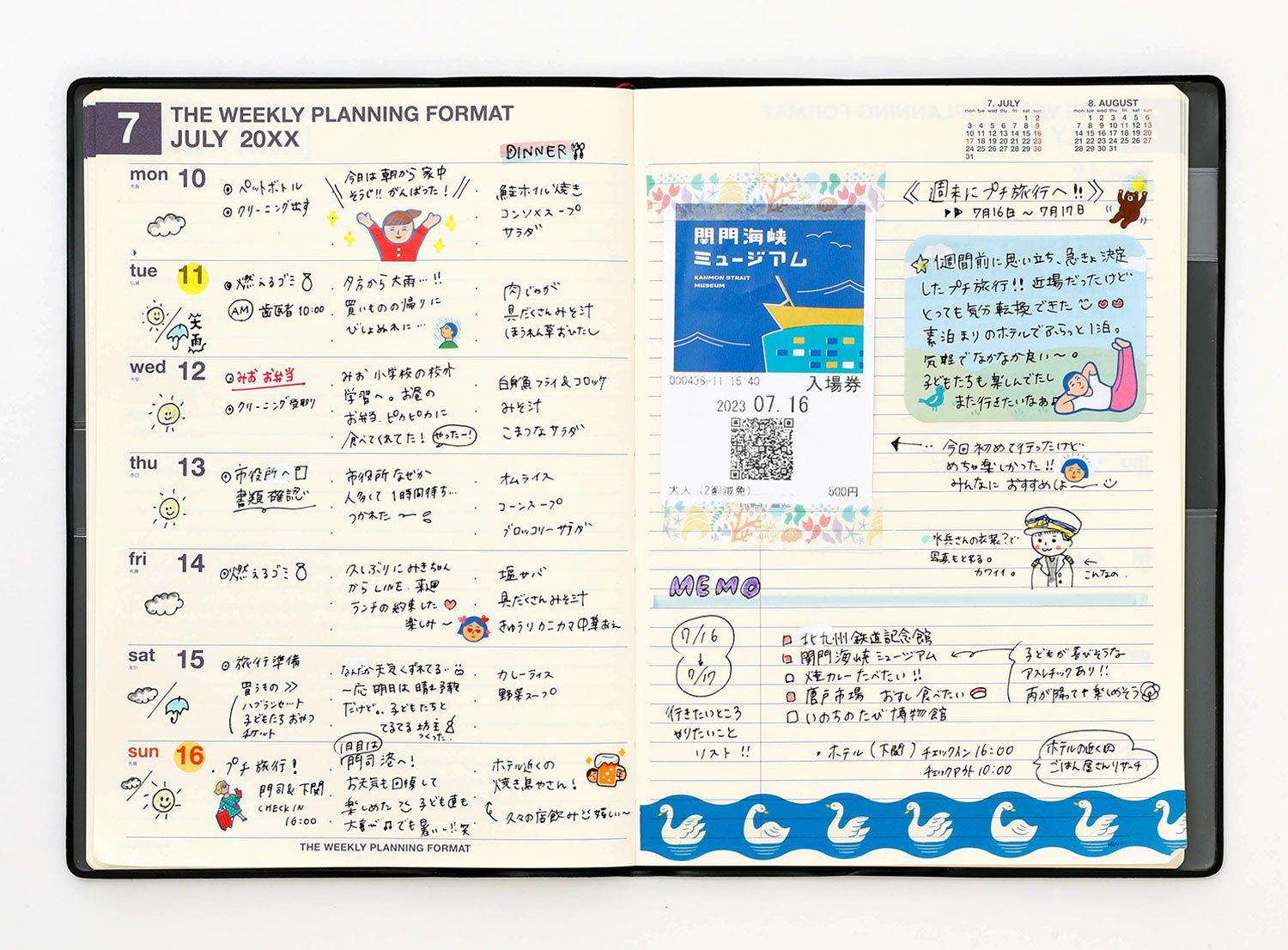
Planning a trip involves synthesizing information from many sources.
On space or the medium in which we document
A document is not necessarily a simulation of paper. In the most general
sense, a document is a package of ideas created by human minds and
addressed to human minds, intended for the furtherance of those ideas
and those minds. Human ideas manifest as text, connections, diagrams and
more: thus how to store them and present them is a crucial issue for
civilization.
There are many approaches at storing spatial information for our digital media.
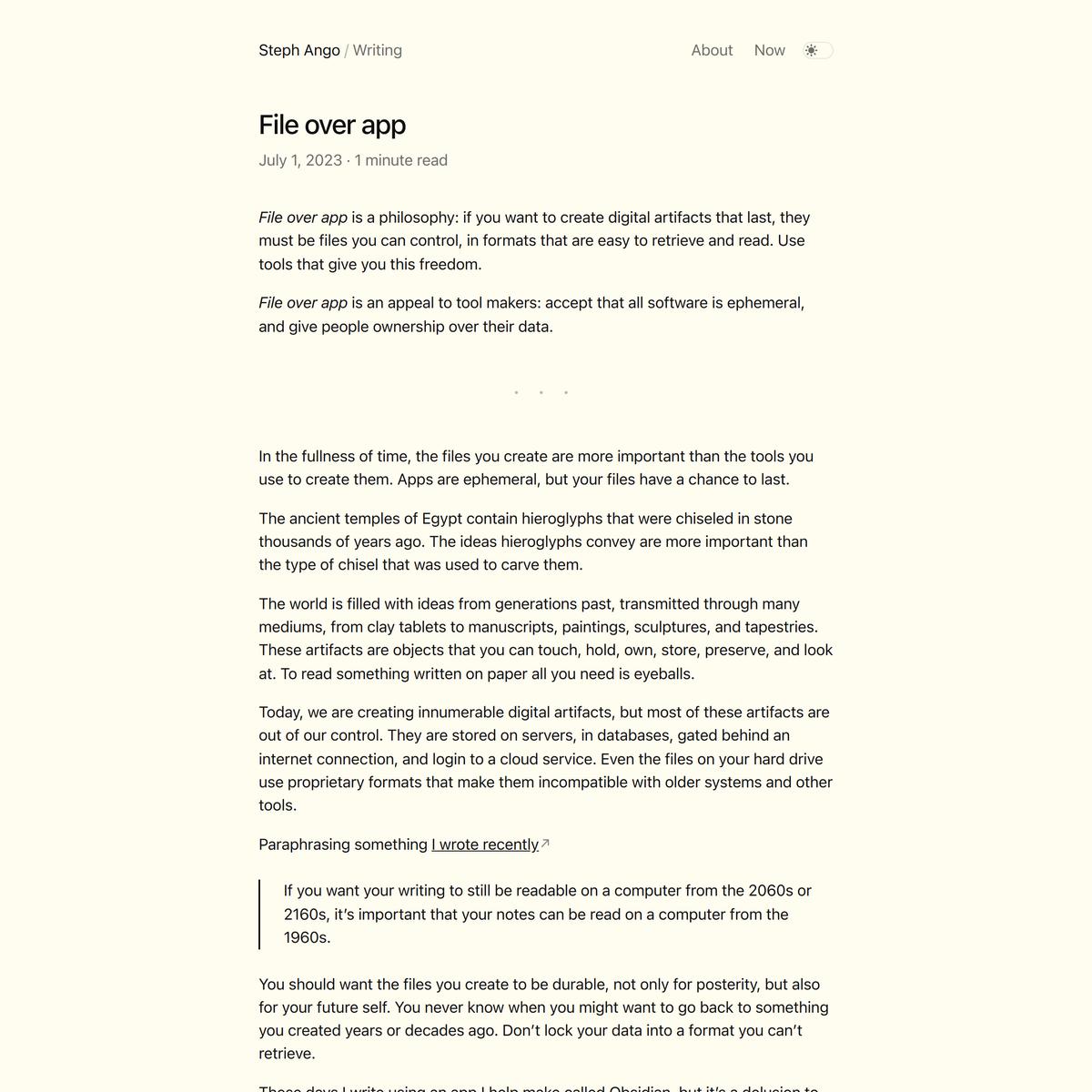
File over app is a philosophy: if you want to create digital artifacts that last, they must be files you can control, in formats that are easy to retrieve and read. Use tools that give you this freedom.
File over app is an appeal to tool makers: accept that all software is ephemeral, and give people ownership over their data.
- Steph Ango (@kepano)
You should want the files you create to be durable, not only for posterity, but also for your future self. You never know when you might want to go back to something you created years or decades ago. Don’t lock your data into a format you can’t retrieve.
- Steph Ango (@kepano)
Today, we are creating innumerable digital artifacts, but most of these artifacts are out of our control. They are stored on servers, in databases, gated behind an internet connection, and login to a cloud service. Even the files on your hard drive use proprietary formats that make them incompatible with older systems and other tools.
We juggle many devices, but they
are largely ignorant of each other. Distributed interfaces, for exam-
ple when a smartphone controls a slide presentation on a laptop,
are limited and complex. Therefore we need to support distributed
interaction: Users should be able to easily migrate and distribute
data, interfaces and functions across personal and public devices.
One document is not enough:
Documents are trapped in ap-
plications, files systems and cloud-based services that insulate them
from each other, creating walled gardens and information silos. Yet
we constantly use inter-related digital artifacts that must be kept
together. Therefore we need to support owned content: Users must
be able to choose among different organizational principles to man-
age their digital content; applications and cloud services should not
own users’ data.
If you want your writing to still be readable on a computer from the 2060s or 2160s, it’s important that your notes can be read on a computer from the 1960s.
- Steph Ango (@kepano)
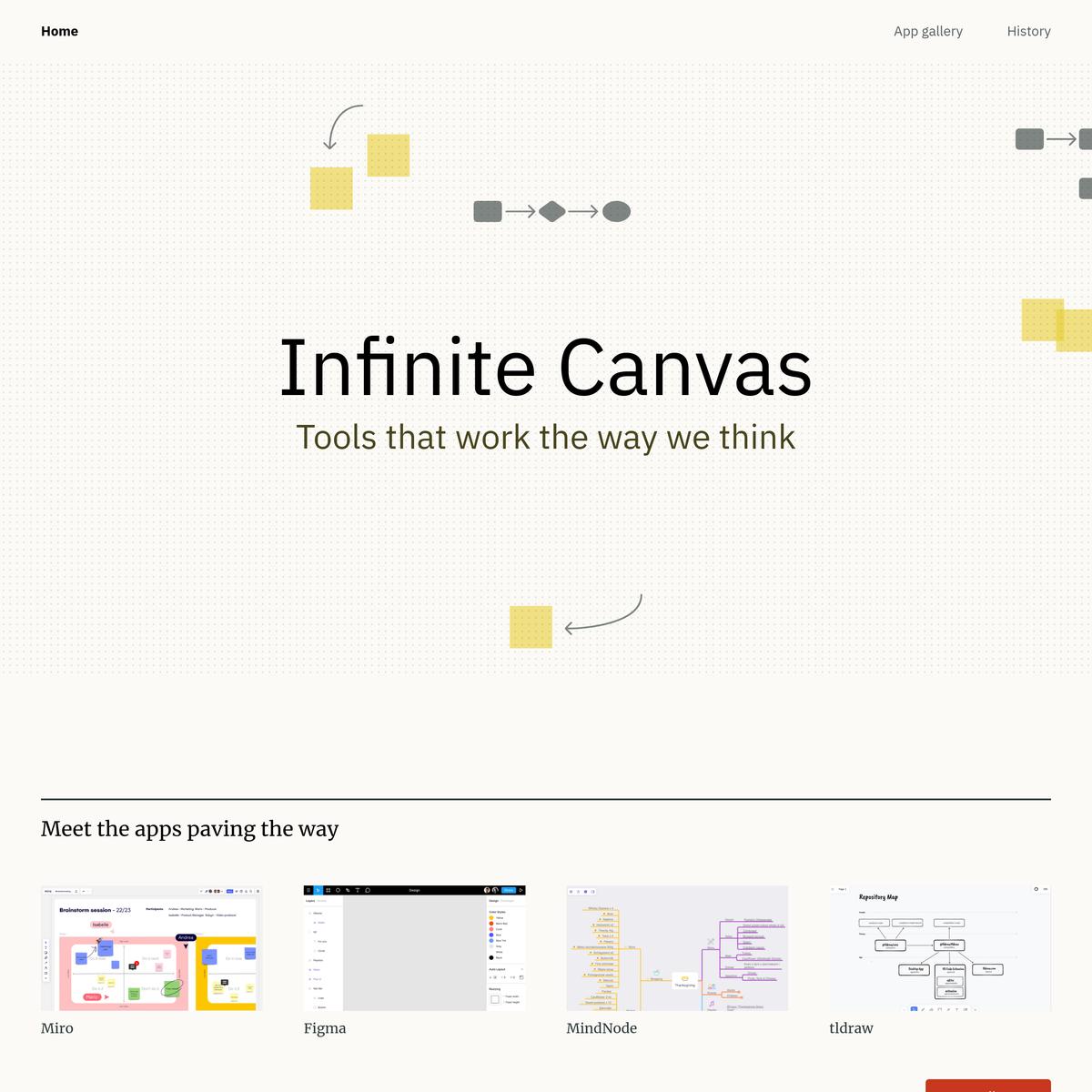
I've been seeing more conversations around spatial software and formats
to store spatial information. There are some interesting ideas about
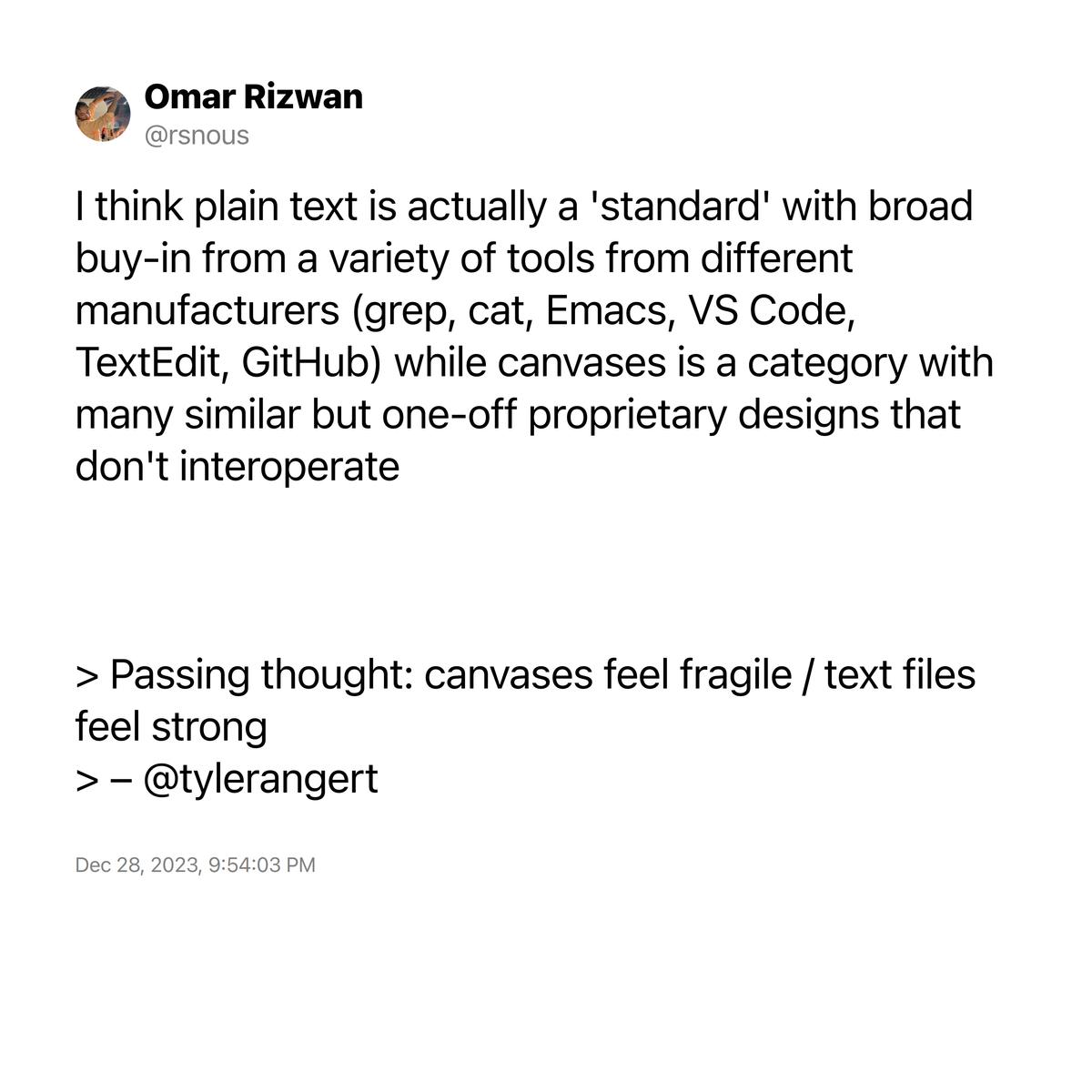
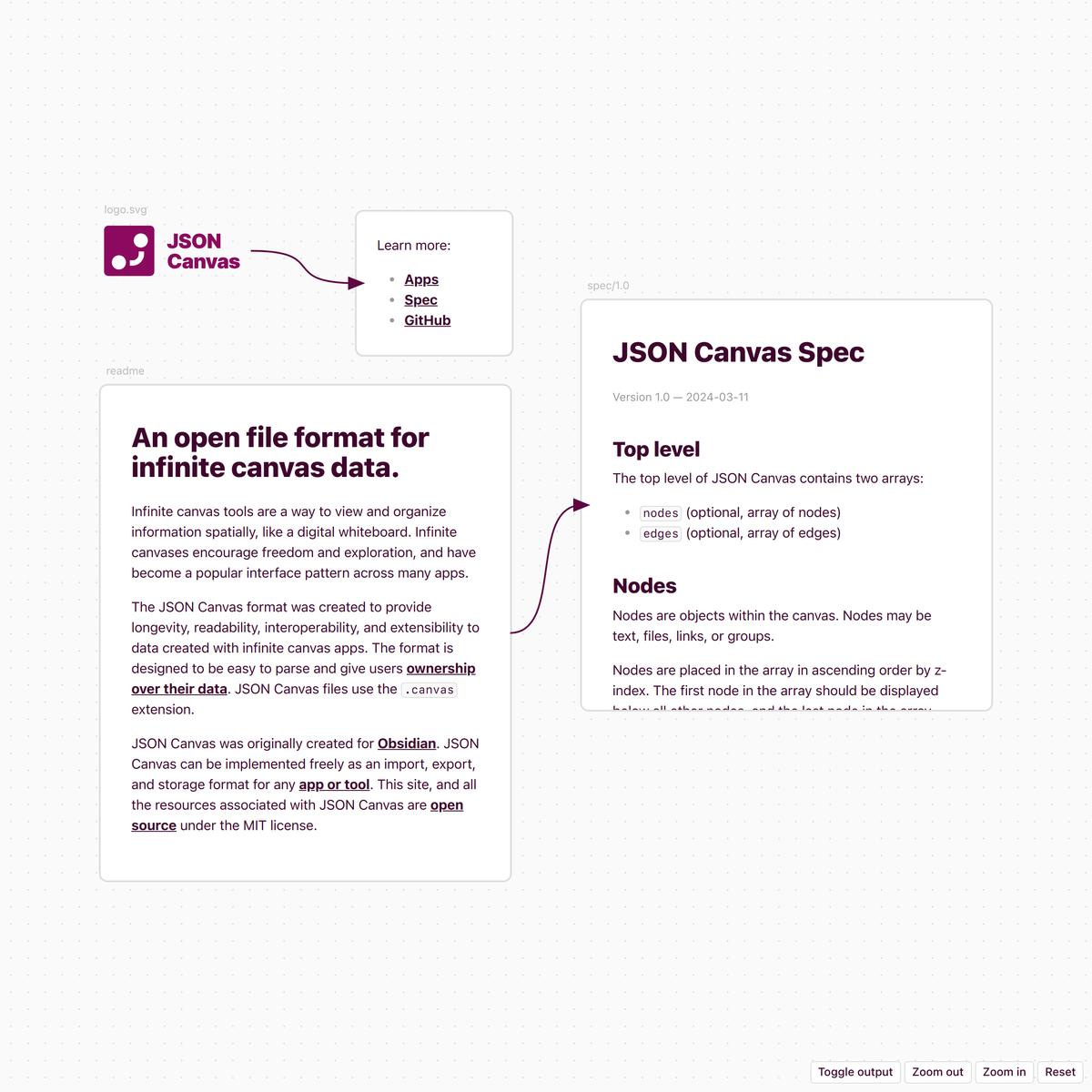
what format to use to encode spatial information like with canvasprotocol.org which has the goal to "Discover a lowest-common denominator file format for storage and serialization" of canvas.
A document is a written, drawn, presented, or memorialized representation of thought, often the manifestation of non-fictional, as well as fictional, content. The word originates from the Latin Documentum, which denotes a "teaching" or "lesson": the verb doceō denotes "to teach". In the past, the word was usually used to denote written proof useful as evidence of a truth or fact. In the Computer Age, "document" usually denotes a primarily textual computer file, including its structure and format, e.g. fonts, colors, and images. Contemporarily, "document" is not defined by its transmission medium, e.g., paper, given the existence of electronic documents. "Documentation" is distinct because it has more denotations than "document".
Documents are also distinguished from "realia", which are three-dimensional objects that would otherwise satisfy the definition of "document" because they memorialize or represent thought; documents are considered more as two-dimensional representations.
While documents can have large varieties of customization, all documents can be shared freely and have the right to do so, creativity can be represented by documents, also. History, events, examples, opinions, etc. all can be expressed in documents.
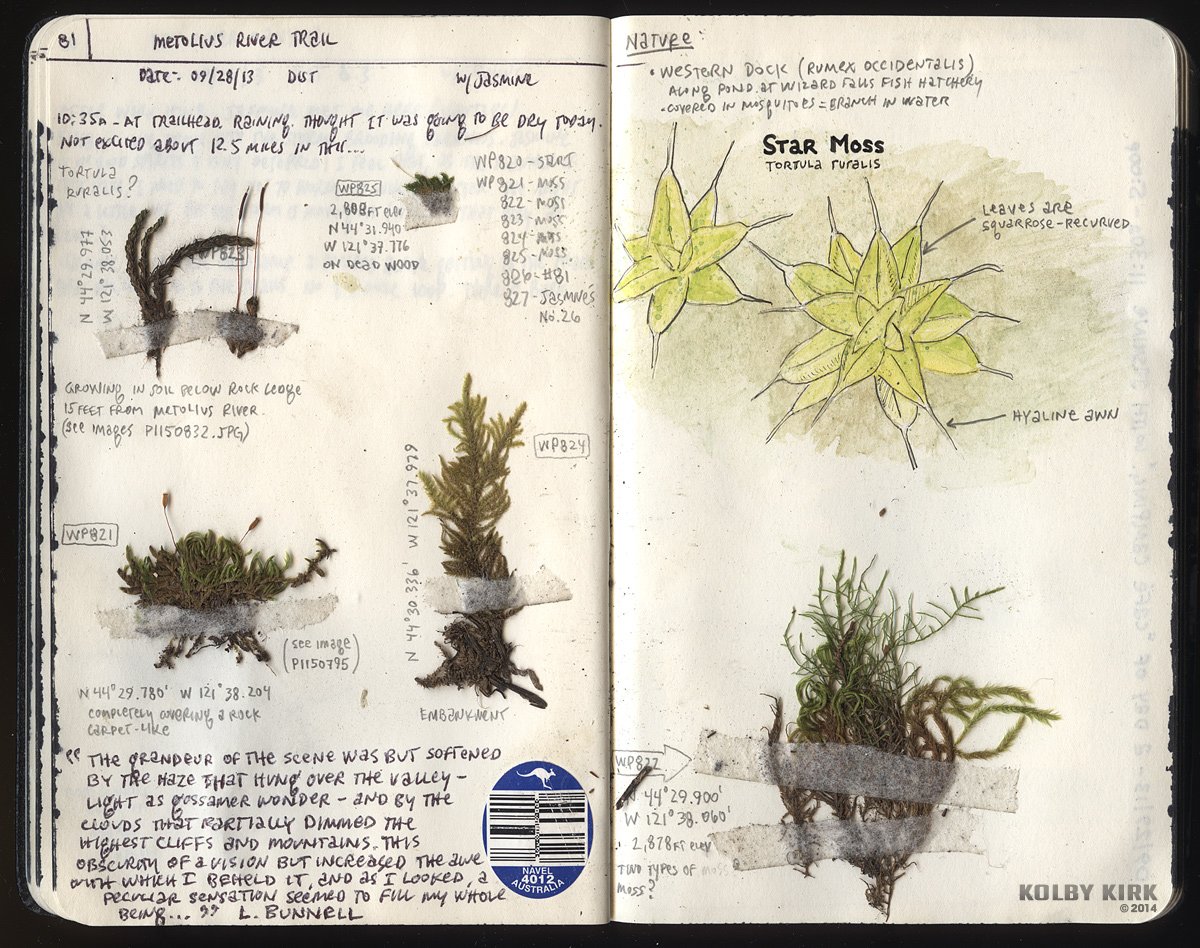
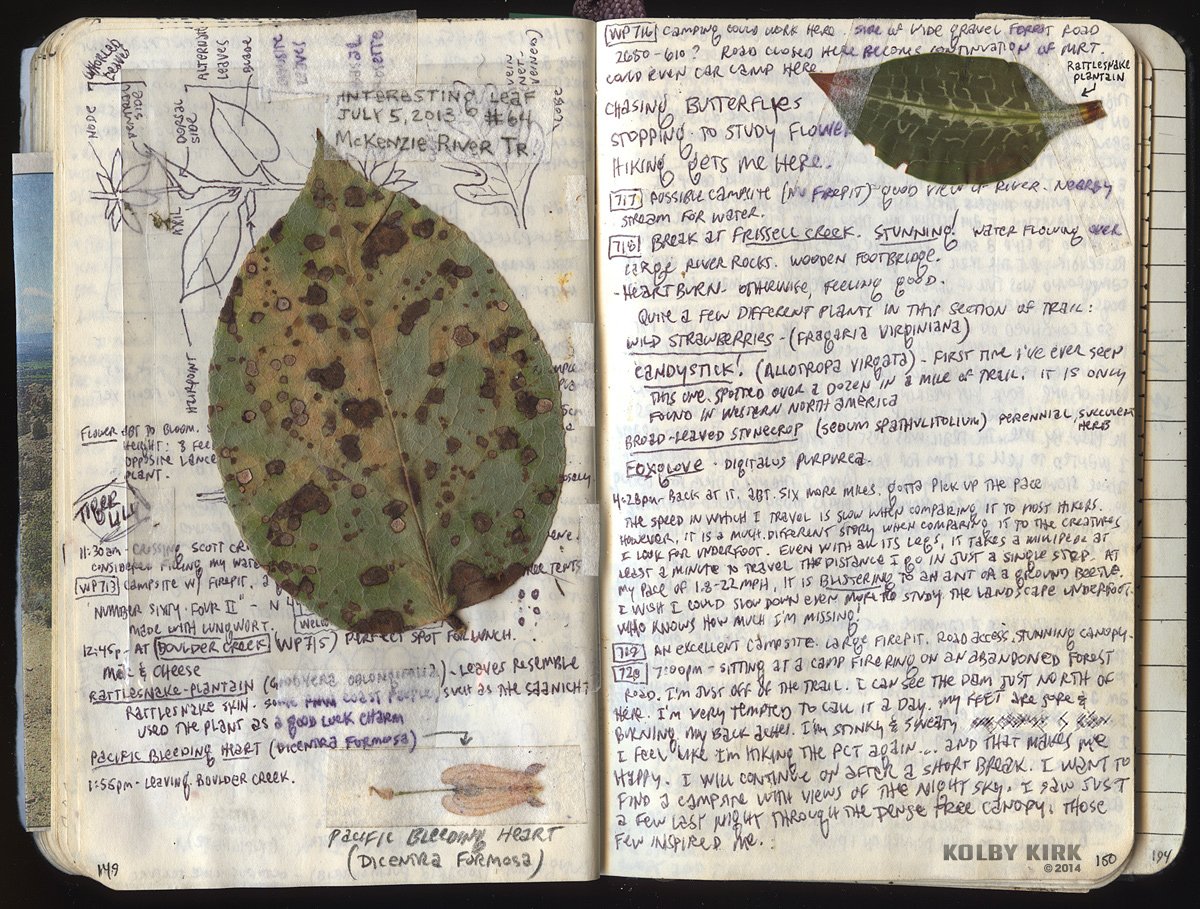
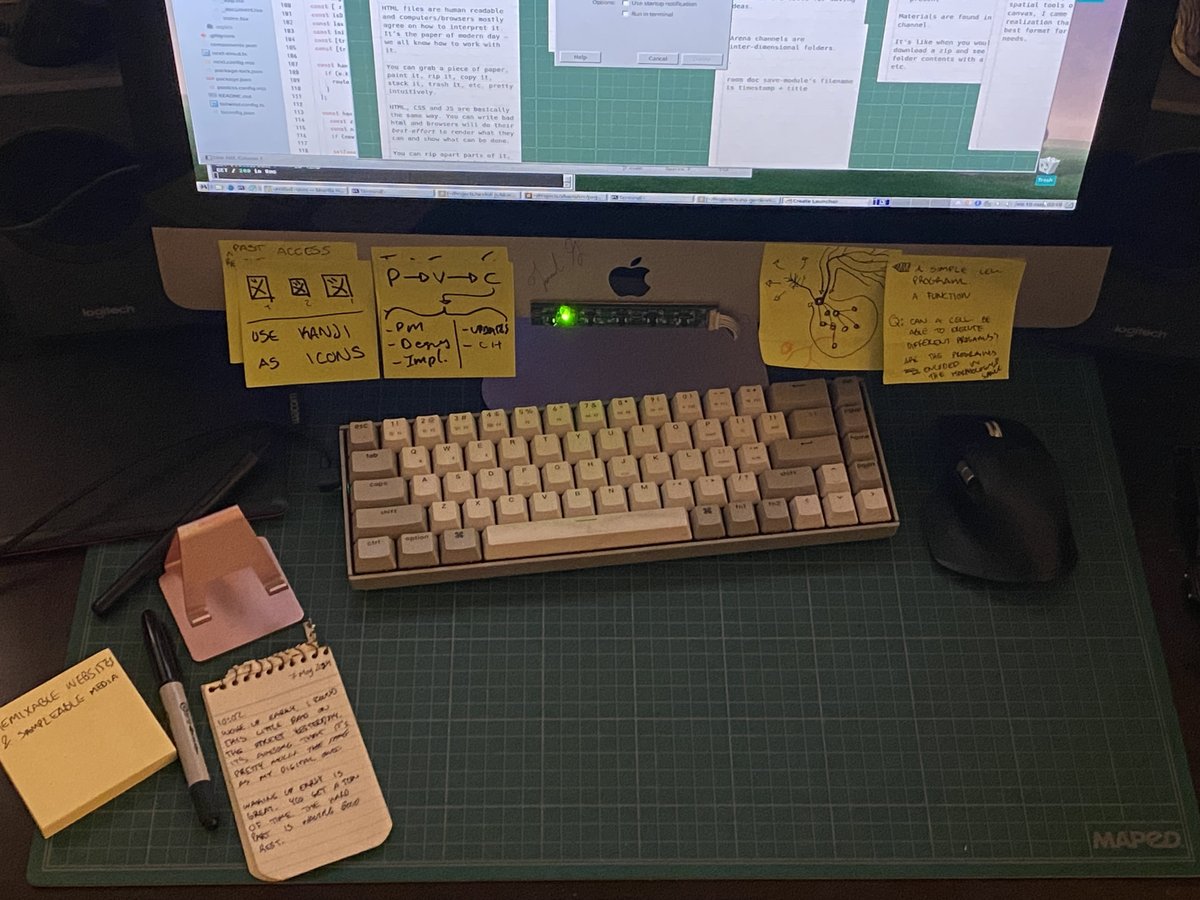
You can rip, paint, write, color, move, copy, print and many other things on/to paper.
In library classification systems, realia are three-dimensional objects from real life such as coins, tools, and textiles,
that do not fit into the traditional categories of library material.
They can be either human-made (artifacts, tools, utensils, etc.) or
naturally occurring (specimens, samples, etc.), usually borrowed,
purchased, or received as donation by a teacher, library, or museum for use in classroom instruction or in exhibits. Archival and manuscript
collections often receive items of memorabilia such as badges, emblems,
insignias, jewelry, leather goods, needlework, etc., in connection with
gifts of personal papers. Most government or institutional archives
reject gifts of non-documentary objects unless they have a documentary
value. When accepting large bequests of mixed objects they normally have
the donors sign legal documents giving permission to the archive to
destroy, exchange, sell, or dispose in any way those objects which,
according to the best judgement of the archivist, are not manuscripts
(which can include typescripts or printouts) or are not immediately
useful for understanding the manuscripts. Recently, the usage of this
term has been criticized by librarians based on the usage of term realia
to refer to artistic and historical artifacts and objects, and
suggesting the use of the phrase "real world object" to describe the broader categories of three-dimensional objects in libraries.
On digital formats for spatial documents 😠
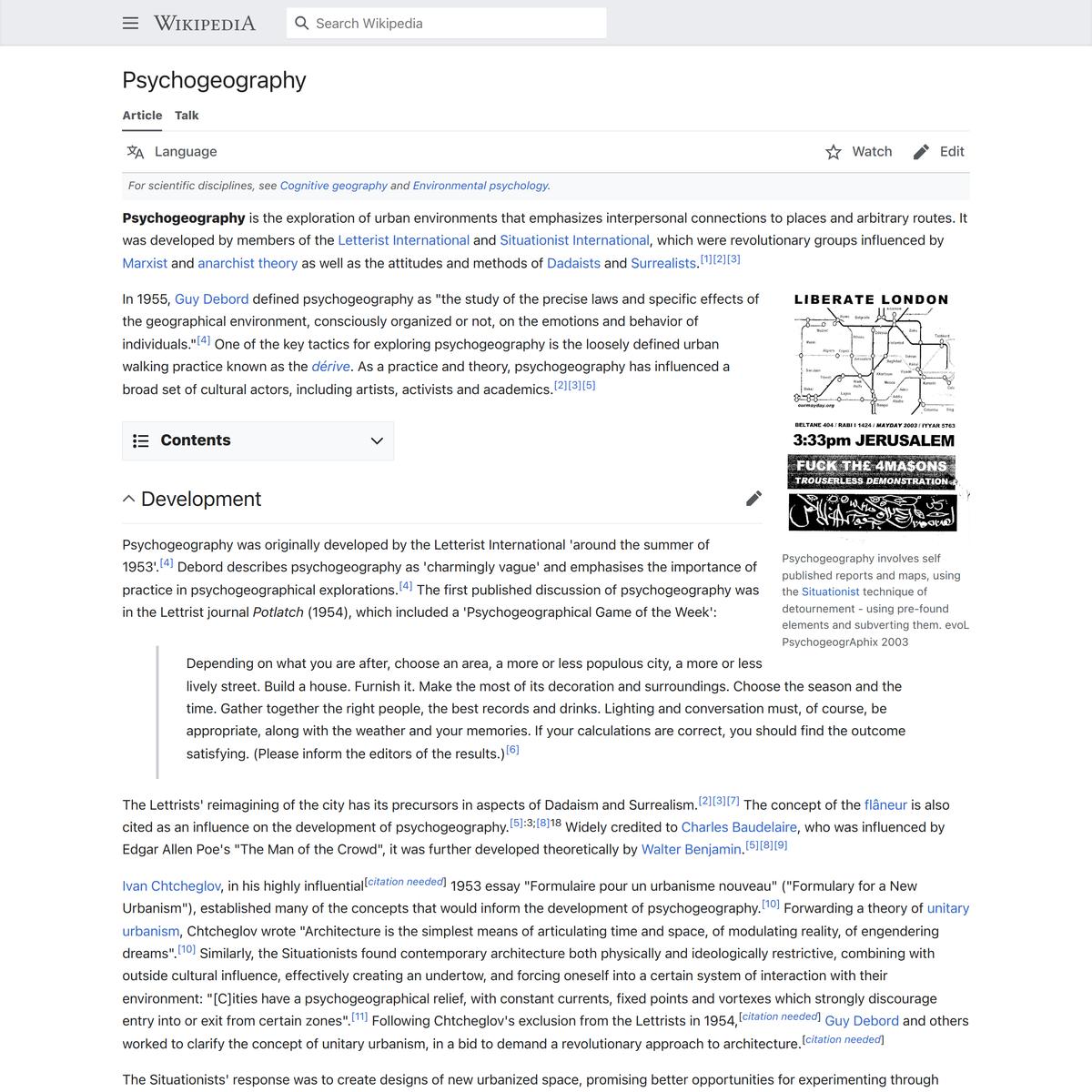
When freedom is practised in a closed circle, it fades into a dream, becomes a mere image of itself. The ambiance of play is by nature unstable. At any moment, "ordinary life" may prevail once again. The geographical limitation of play is even more striking than its temporal limitation. Every game takes place within the boundaries of its own spatial domain.
- Debord G. Sur le passage de quelques personnes à travers une assez courte unité de temps (1959)
there’s a self-discovery that happens when you revisit things you’ve
accumulated over a period of time. You look back and begin to recognize
patterns in your own thinking.
Personalization ↕️ 🎨
and remixing
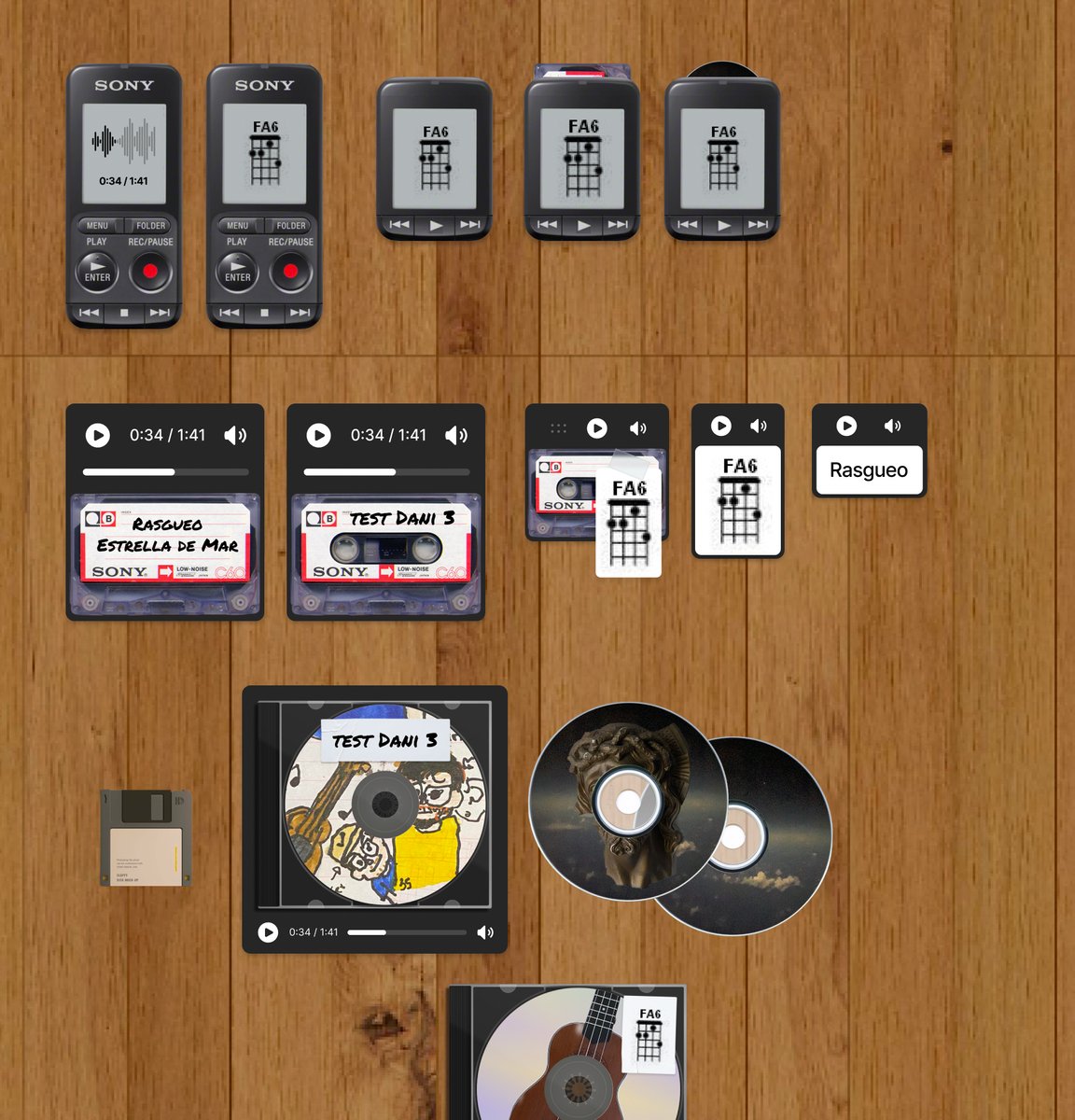
Everything is a remix. We usually think of this in terms of content but not as much in terms of the medium or vessel for the content.
What if the medium was as easy to remix as it is to remix content?
What if medium becomes so intertwined with content that it’s hard to tell apart?